
Last updated October 15, 2026
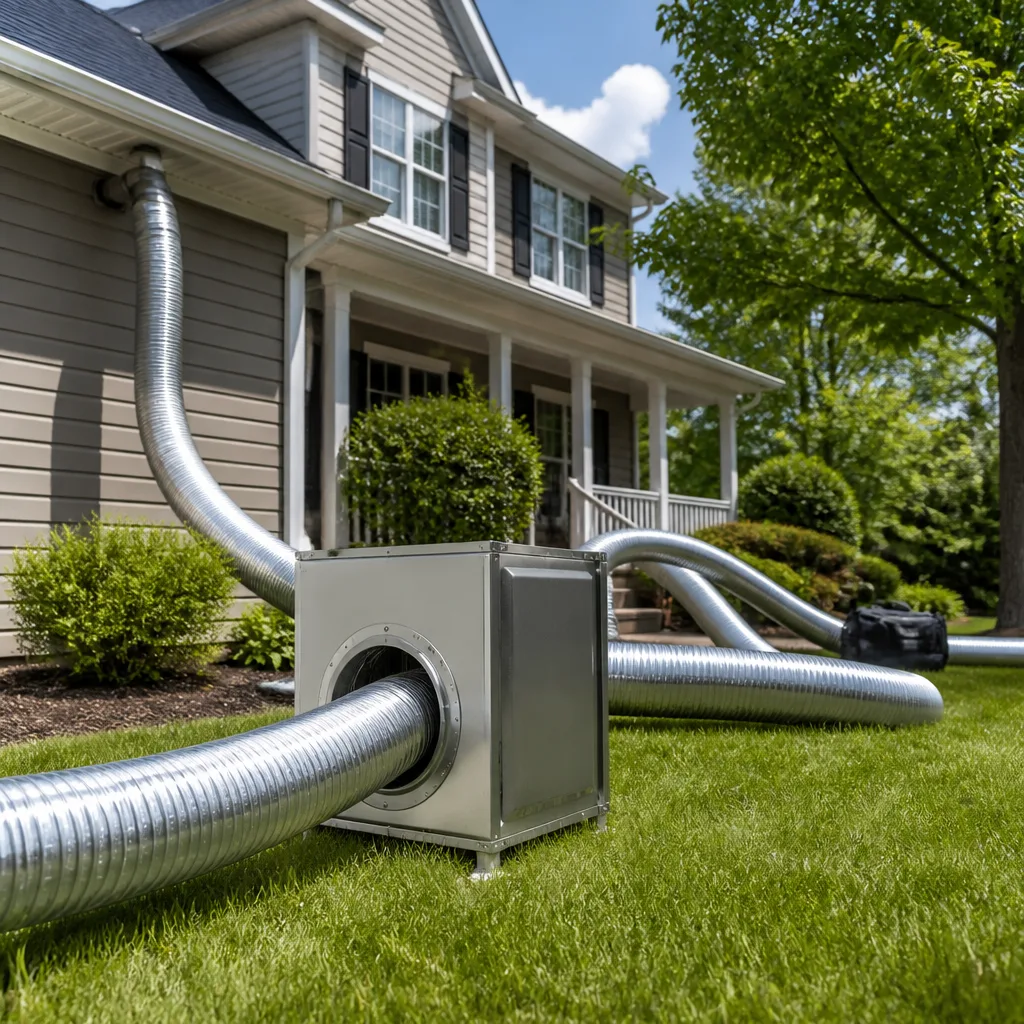 Whole-home duct cleaning
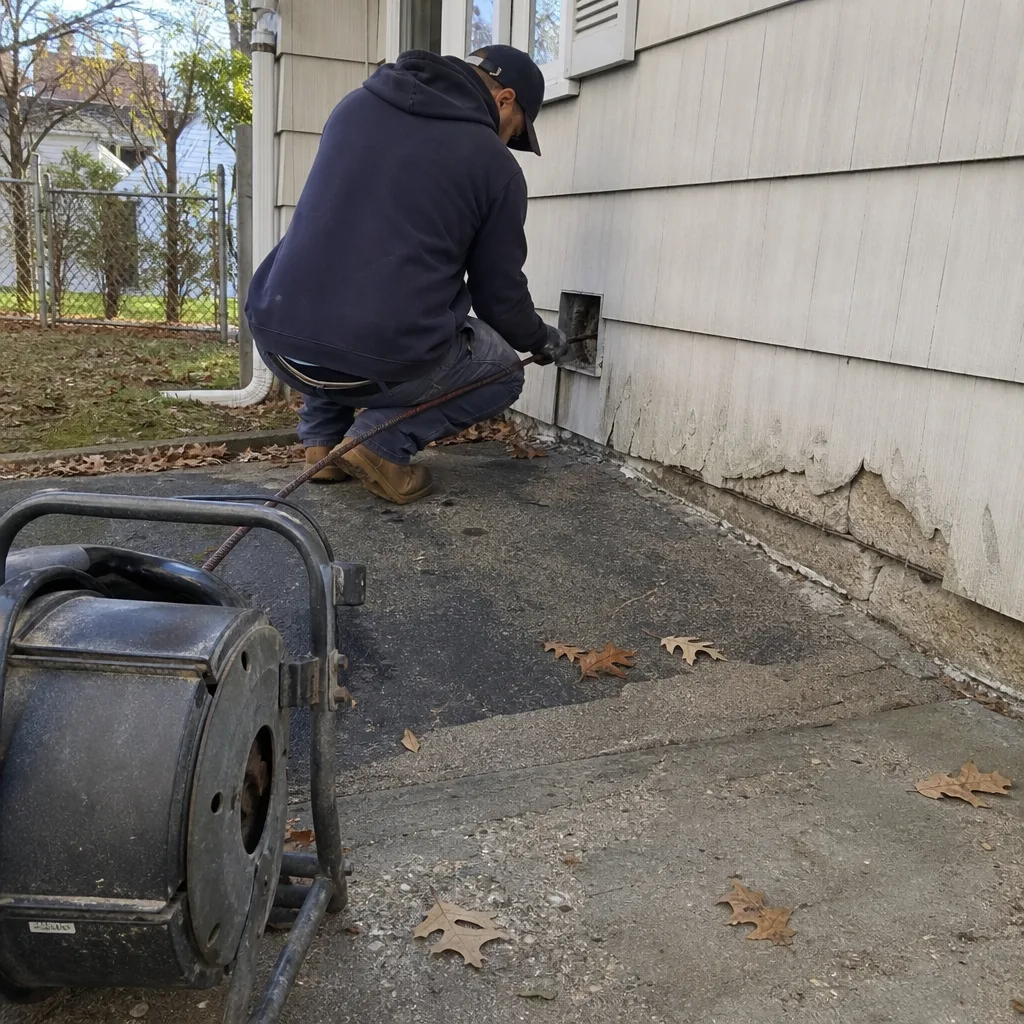
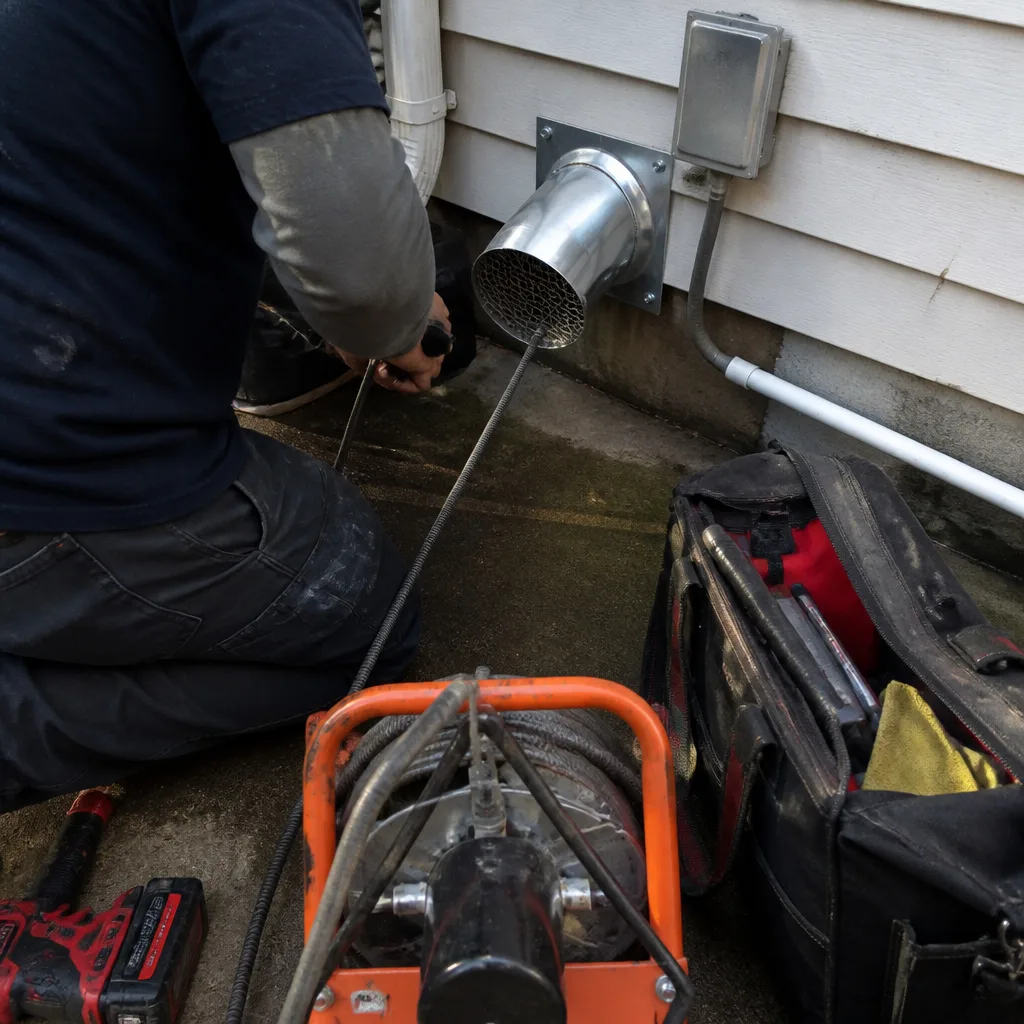
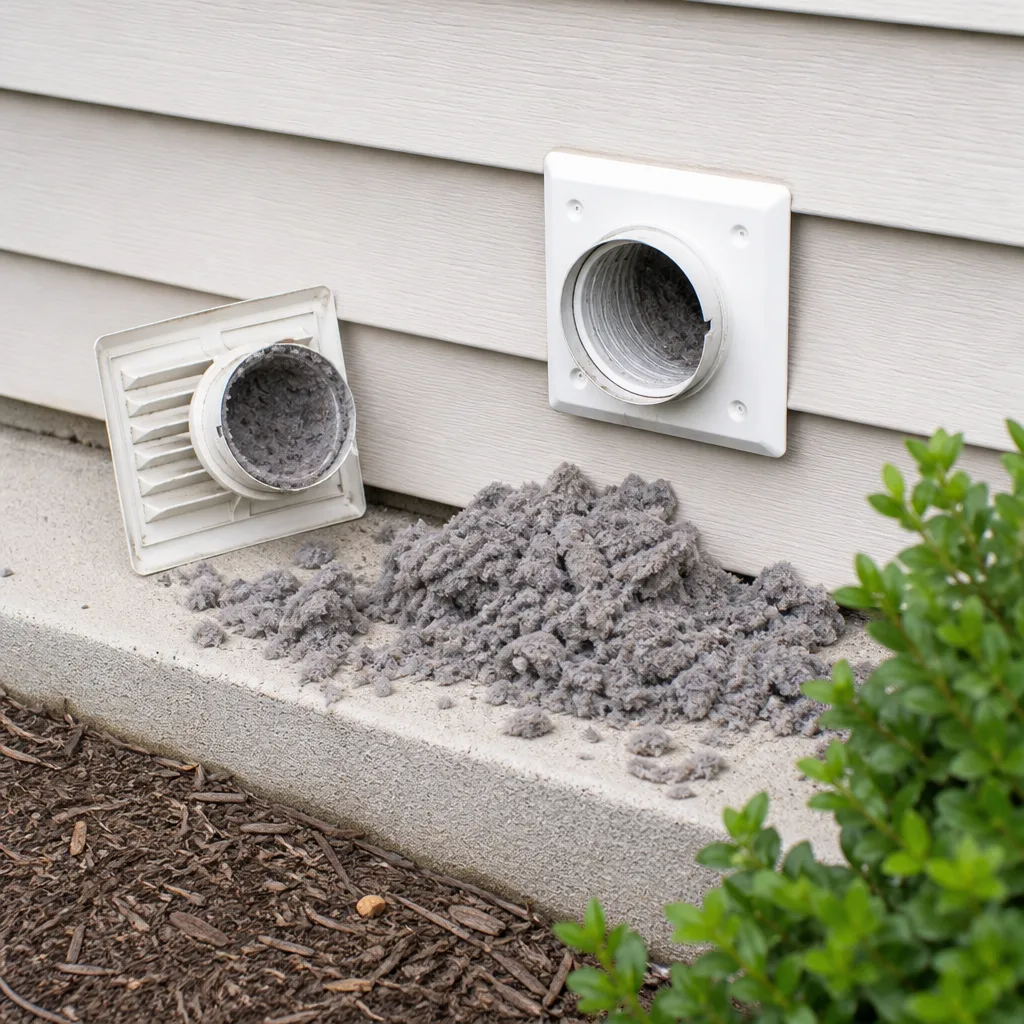 Dryer vent cleaning
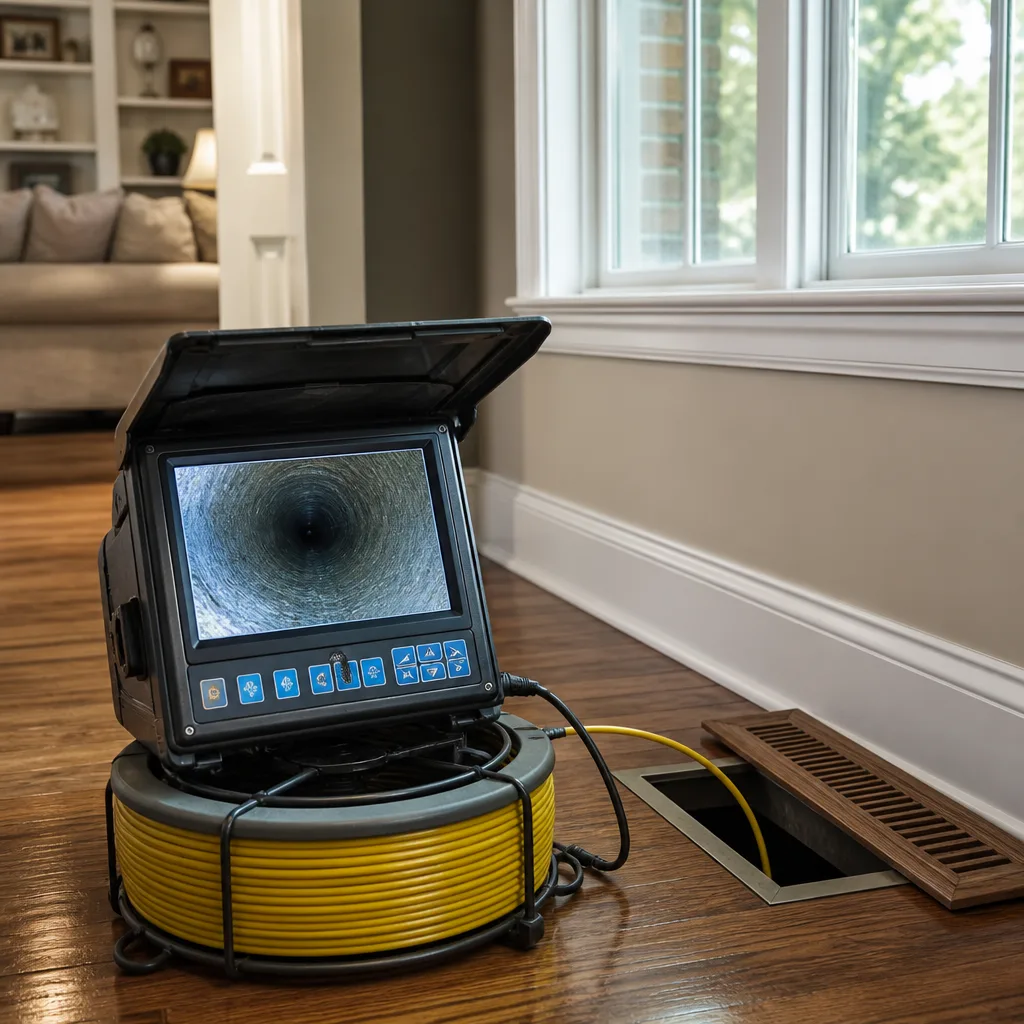 Camera inspection
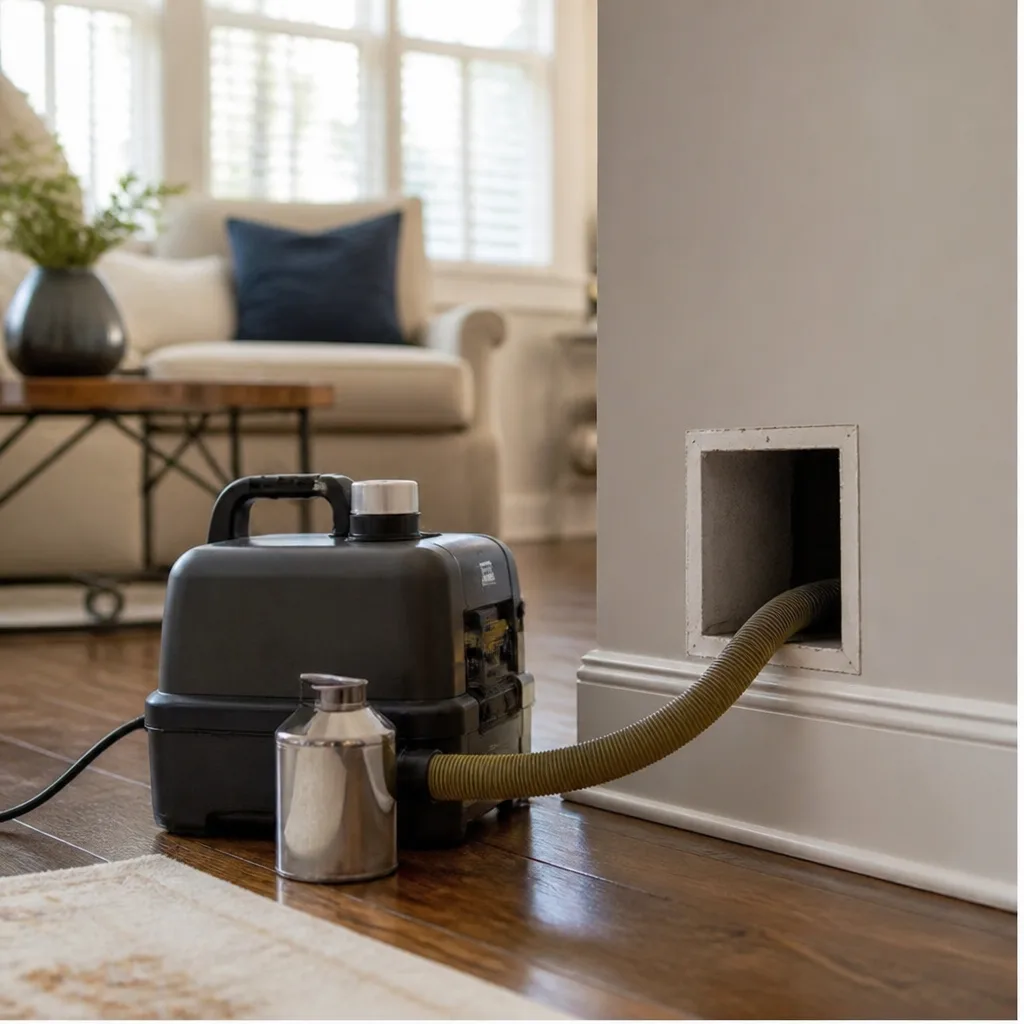 Sanitizing & deodorizing
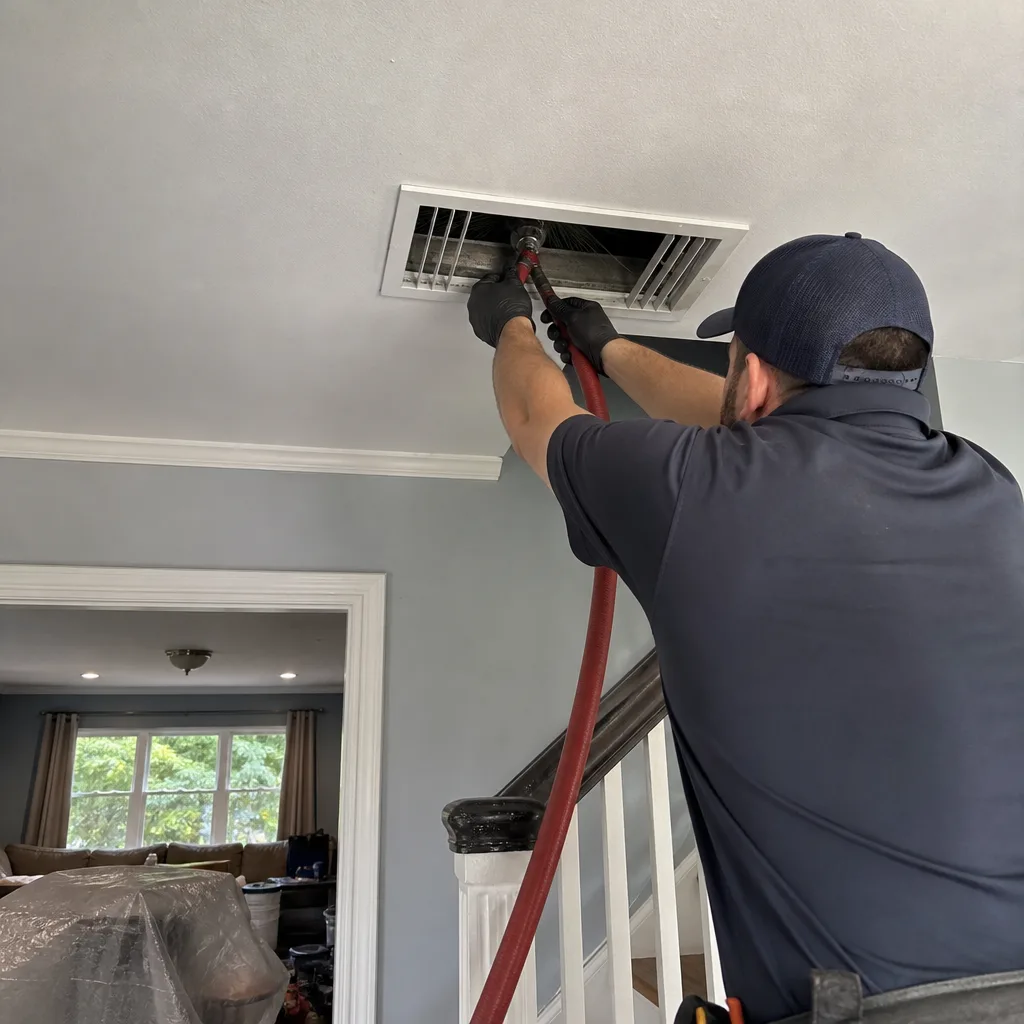
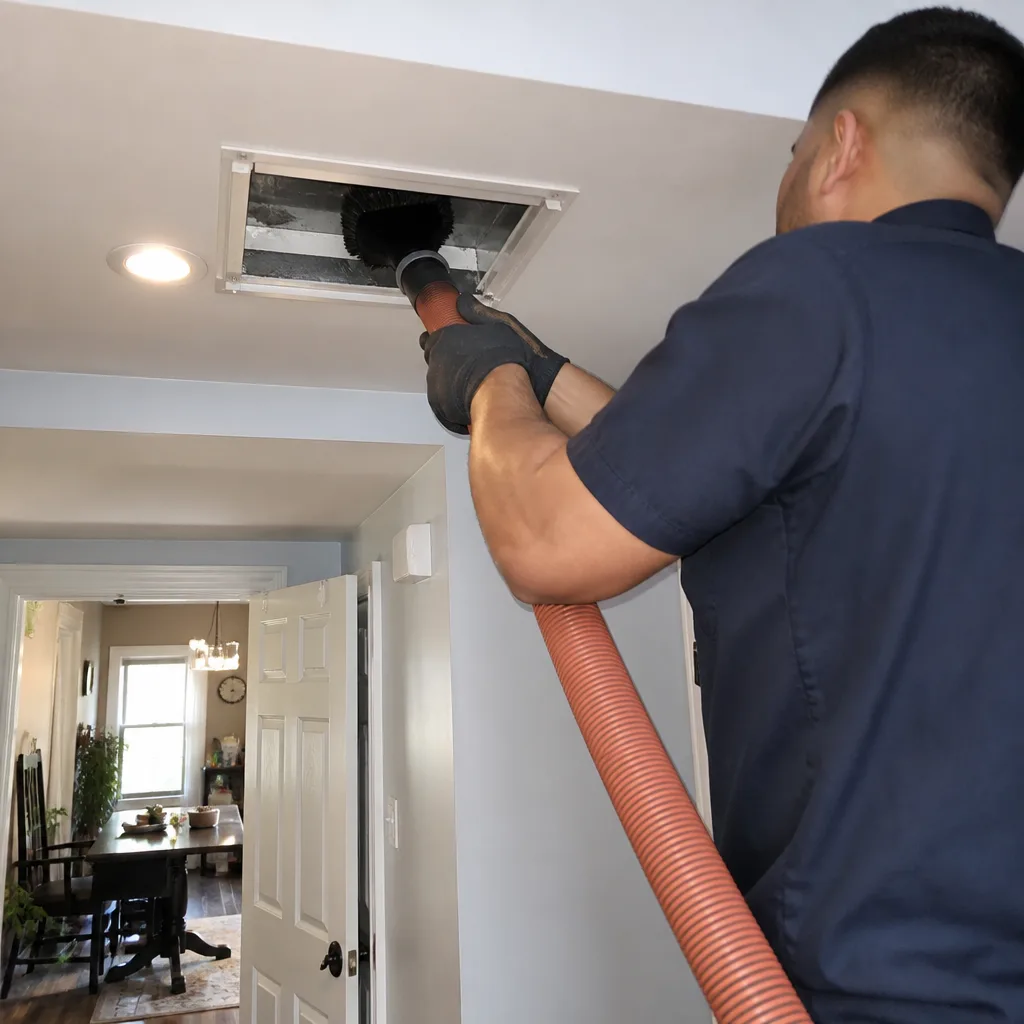
Whole-system duct and dryer vent check with before-and-after photos - you see exactly what came out of your vents
That "$99 whole-house special" is a bait ad - the real number appears once they are in your hallway, or the "clean" is a shop-vac at the register. We photograph the inside of your ducts before and after instead.
Air Duct Cleaning Permits, Codes & Inspections in NY: What You Need to Know
Most Hempstead homeowners assume air duct cleaning is tightly regulated. It isn’t. No permit is required to clean your ducts anywhere in New York State. But the moment a contractor finds mold and treats it on the spot without a separate NYS mold remediation license, they’ve just performed unlicensed remediation work in your home, and your insurance company may refuse to cover what comes next. This guide-along with our The Complete Guide to Air Duct Cleaning in Hempstead-breaks down exactly where the line sits between routine cleaning, regulated remediation, and building-code territory, so you know what to ask for before a technician walks through your door.
Styles & brands we work with
Quick Answer
Air duct cleaning in New York does not require a state or local permit, and there is no state license specific to duct cleaning. However, mold remediation inside ducts is regulated under NYS Labor Law Article 32 and requires a separate mold remediation license. Duct modifications, added access panels, or work that touches the HVAC plenum may require a mechanical permit from the Town of Hempstead Building Department.
Table of Contents
- The Two Different Rules: Duct Cleaning vs. Duct Remediation
- What the NYS Mold Remediation Law Actually Requires
- When the Town of Hempstead Building Code Gets Involved
- How to Verify a Contractor’s Mold License in Under Two Minutes
- The Inspection Scenario Nobody Plans For: Selling a Hempstead Home
- What Your Home Insurance Does and Doesn’t Cover
- Questions to Ask Before Anyone Touches Your Ducts
- Common Mistakes to Avoid
- When to Call a Professional
- Frequently Asked Questions
- The Bottom Line
The Two Different Rules: Duct Cleaning vs. Duct Remediation
New York treats these as two entirely different activities, and most homeowners never learn the difference until something goes wrong. Duct cleaning means removing dust, debris, pet hair, and construction particles from the interior surfaces of your ductwork using negative-air machines and rotary brush systems. That work is unregulated. No permit, no license, no inspection. Any business can legally offer it.
Duct remediation is different. If a technician finds mold inside your ductwork and treats it with antimicrobial chemicals, removes contaminated insulation, or cuts out mold-damaged duct sections, that is mold remediation. Under NYS Labor Law Article 32, which took effect in 2016, anyone performing mold remediation on more than ten square feet of affected surface must hold a mold remediation license issued by the New York State Department of Labor. This law applies to ducts, wall cavities, attic sheathing, anywhere mold is being actively removed, not just cleaned superficially.
Here’s why this distinction matters to you as a Hempstead homeowner:
- Licensing exposure: A duct cleaner who treats mold without a remediation license is performing unlicensed work. If something goes wrong, there is no state oversight board to pursue.
- Insurance gaps: If unlicensed mold work causes damage or fails to resolve the problem, your homeowner’s policy may deny the subsequent claim because the work was performed outside state law.
- Resale problems: Unpermitted or unlicensed remediation can surface during a buyer’s inspection and delay or kill a sale.
- Two separate credentials: A contractor doing both cleaning and remediation in one visit should be able to show two sets of paperwork: general business insurance for the cleaning, and a NYS DOL mold remediation license for the mold work.
In our experience across Hempstead and the surrounding Nassau County area, we’ve seen contractors blur this line constantly. A crew shows up for a $99 duct cleaning special, finds what they call “mold,” sprays bleach, and leaves. Bleach is not an effective mold treatment for porous duct surfaces, and the homeowner now believes the problem is solved when it isn’t. Ask before work starts: “If you find mold, what exactly will you do, and what license authorizes you to do it?”
What the NYS Mold Remediation Law Actually Requires
Before any mold-related work begins in your home, Labor Law Article 32 places specific, written obligations on the contractor. These are not suggestions. They are enforceable state requirements designed to ensure homeowners understand what will happen, how it will be done, and what to expect afterward.
Here is what a licensed mold remediation contractor must provide to you in writing before starting work:
- A written scope of work describing the affected areas, the methods to be used, and the cleaning agents or antimicrobial chemicals to be applied.
- A copy of the contractor’s mold remediation license issued by the NYS Department of Labor, including the license number. You should verify this number yourself (see the section below on how to do that).
- A written work plan that outlines containment procedures, air filtration methods, and how the contractor will prevent cross-contamination into unaffected rooms.
- Post-remediation clearance criteria explaining how the contractor will verify the mold has been successfully removed. For ductwork, this typically means visible inspection of all accessible interior surfaces, not air sampling alone.
- Notification of the property owner’s right to request post-remediation testing by an independent third party at the owner’s expense. A contractor cannot refuse to allow independent verification.
There is one practical exception worth knowing. If mold covers less than ten square feet of surface area, Article 32 does not require a licensed contractor. But inside ductwork, a ten-square-foot patch is substantial, and it is nearly impossible for a homeowner to accurately judge the extent of growth from a vent opening. In a Hempstead home with interior duct runs you cannot see, the safest assumption is that any visible mold warrants licensed attention. A reputable contractor will tell you this directly rather than shrugging and spraying whatever is in the van.
Our Air Duct Cleaning in Hempstead work follows a bright-line rule: if mold is present beyond superficial surface dust, we stop, document it, and refer you to a licensed mold remediation firm. We do not guess with chemicals. We do not blur the license line. That is what the law requires, and it is also what protects your home’s value.
When the Town of Hempstead Building Code Gets Involved
Routine cleaning never triggers a building permit in Hempstead. The trigger is modification. The moment a contractor alters your duct system structurally, the work may fall under the mechanical permit requirements of the Town of Hempstead Building Department.
What counts as modification? Here is what we tell homeowners to watch for:
- Adding access panels: If a technician cuts a new access hole into your ductwork to reach a problem area and leaves a removable panel, that is a modification to the system. The building department may view it as an alteration requiring a mechanical permit.
- Replacing duct sections: If a section of rusted or mold-damaged duct is removed and a new section is installed, that is not cleaning. That is HVAC work, and it falls under mechanical permitting.
- Touching the plenum: The plenum is the box connected to your furnace or air handler where the main supply and return ducts attach. Any work that opens, alters, or reseals the plenum is generally considered a modification.
- Sealing with mastic: Simple duct sealing using mastic or foil tape on accessible joints is generally considered maintenance, not modification. Our Duct Sealing in Hempstead service follows this maintenance pathway. But if sealing work requires cutting into drywall, adding access, or reconfiguring duct runs, the threshold changes.
The practical rule we follow and recommend: if the only thing leaving your home is dust and debris, no permit conversation is needed. If metal is cut, replaced, or newly installed, ask the contractor whether they have pulled a mechanical permit with the Town of Hempstead. A contractor who cannot answer that question clearly is guessing, and in Nassau County, guessing with building code ends with a red tag or a resale headache.
One more Hempstead-specific consideration. Homes here range from 1920s colonials with hand-assembled sheet-metal ducts to newer developments with fully sealed flex-duct systems. Older homes are the ones where modifications sneak up on you. A 1930s duct run may have been patched, spliced, and rerouted by five previous owners, some of it without permits. If a cleaning crew discovers prior unpermitted work during a job, that is not your liability to fix immediately, but it becomes a disclosure item when you sell. Better to know now than during escrow.
How to Verify a Contractor’s Mold License in Under Two Minutes
New York State makes license verification straightforward, but most homeowners never run the check because they do not know where to look. Here is the exact process we recommend to every Hempstead homeowner before mold remediation work begins.
- Go to the NYS Department of Labor’s License Search tool at dol.ny.gov and navigate to “Mold Program” then “License Search.”
- Enter the contractor’s business name or license number exactly as it appears on their paperwork. The DOL issues mold licenses under the company’s legal name, not a trade name or DBA.
- Check the license status. Look for “Active” not “Expired,” “Suspended,” or “Revoked.” A surprising number of contractors carry expired mold licenses without realizing it.
- Verify the license category matches the work. New York issues several mold-related license categories. For duct remediation inside a home, the contractor should hold a Mold Remediation Contractor license, not just an Assessor or Abatement Worker license.
- Print or screenshot the result and keep it with your job paperwork. If a dispute arises later, this document matters.
The entire process takes less than two minutes on a phone. A contractor who hesitates to give you their license number, or whose business name on the license doesn’t match the name on the estimate, is telling you something. Listen.
We keep our own licensing documentation available for every job, alongside written pricing and the 365-Day Done Right Promise. A homeowner should never have to chase paperwork after the fact. If the paperwork isn’t available before the work starts, the work shouldn’t start.
The Inspection Scenario Nobody Plans For: Selling a Hempstead Home
Here is how this plays out in real life across Hempstead’s real estate market. You sell your home. The buyer hires an inspector. The inspector opens an access panel in the basement ductwork and finds three things: a section of duct that was clearly replaced with materials that don’t match the original system, a patch of visible mold growth near a condensation point, and no record of any permits or licensed remediation for either issue. The buyer’s attorney sends a letter. The deal stalls.
Who is liable? The answer is usually you, the seller, under New York’s property condition disclosure process. New York is a “caveat emptor” state in some respects, but when a seller has knowledge of material defects, or when a buyer’s inspection uncovers unpermitted work, the seller can be held responsible for remediation costs, permit penalties, or a price reduction. The fact that you didn’t know about the unpermitted duct work doesn’t always protect you. The fact that it exists in your home at the time of sale is often enough.
This is why the unglamorous stuff matters. The permit status of duct modifications. The license status of anyone who treated mold. The written record of what was done, when, and by whom.
Hempstead is a town of older housing stock. A significant portion of the single-family homes here were built before the 1960s, and many have had decades of HVAC work done by a rotating cast of owners, handymen, and temporary contractors. If you have owned the home for more than ten years, there is a reasonable chance something in your duct system was modified without paperwork. A thorough duct cleaning that includes photographic documentation of your system’s condition gives you a baseline record. If an inspector flags an issue years from now, you at least know when it appeared and what it looked like before.
Our Hollis Air Duct Hempstead home team photographs every duct system we clean, including problem areas and existing modifications. That record stays with you. It is not a permit, and it doesn’t replace one, but it is evidence of the system’s condition on a specific date, which is worth more than most homeowners realize.
What Your Home Insurance Does and Doesn’t Cover
This is where the mold license question stops being academic and starts being expensive. New York homeowners insurance policies generally exclude mold damage unless it results from a covered peril: a sudden pipe burst, a storm-created roof leak, an appliance overflow. Gradual mold growth from high humidity, condensation in ductwork, or a slow leak that happened over months is typically not covered. That is a maintenance issue as far as the insurer is concerned.
But here is the wrinkle relevant to this guide: if mold exists in your ducts, and you hire an unlicensed contractor to treat it, and that treatment fails or causes additional damage, your insurer may deny the entire subsequent claim on the basis that the homeowner hired an unlicensed party to perform regulated work. The insurer’s position is that the loss was aggravated by an avoidable, illegal contracting decision. That denial letter is difficult to fight.
The cleaner scenario: you discover mold, hire a NYS DOL-licensed remediation contractor, keep the written scope of work and post-remediation documentation, and the problem is resolved with a paper trail. If a related issue arises later, that documentation is your strongest asset in any insurance conversation.
One additional point worth knowing. Some Hempstead homeowners carry separate mold endorsements or riders that expand coverage beyond the standard exclusions. These riders vary widely by insurer and home. If your home has a history of humidity problems, a damp crawlspace, or an aging HVAC system prone to condensation, ask your agent whether a mold rider makes sense. The monthly cost is often small compared to a five-figure remediation bill.
Questions to Ask Before Anyone Touches Your Ducts
We believe a homeowner should be able to question any contractor and get straight answers, whether they’re booking our Air Duct Cleaning services or comparing providers. Here is the list we hand to Hempstead homeowners, whether they’re hiring us or someone else. These questions apply to any duct cleaning or inspection visit.
- “What happens if you find mold?” The contractor should have a clear protocol. If the answer is “we’ll spray something on it,” ask what license they hold. If they can’t answer, don’t hire them.
- “Will any part of this job modify my duct system?” If access panels are added, sections replaced, or the plenum opened, ask whether a mechanical permit is required in the Town of Hempstead for that scope.
- “Do you have a written scope of work I can see before you start?” A real pro has no problem putting the plan on paper. A vague verbal promise is worth nothing in a dispute.
- “What equipment do you use?” Look for negative-air machines that keep dust from spreading through the house during cleaning. Our crews use Rotobrush rotary brush systems and Nikro negative-air machines. If a contractor plans to clean ducts with a shop vacuum and a prayer, keep looking.
- “Do you document what my ducts look like before and after?” Before-and-after photos of your own ductwork are the only way to verify the work was actually done. We provide them on every job. Many contractors do not.
- “What does your guarantee cover?” The 365-Day Done Right Promise we write into every job says that if the work isn’t done right, we come back and make it right at no charge for a full year. If a contractor’s guarantee is a shrug and a handshake, that’s not a guarantee.
None of these questions are aggressive. They are basic due diligence. A contractor who bristles at any of them is telling you how they will behave when a problem arises later, which is exactly when it matters.
Common Mistakes to Avoid
- Assuming duct cleaning is regulated. It isn’t. No permit, no license, no state inspection. That means the burden is entirely on you to vet the contractor. There is no state agency doing it for you.
- Letting a technician treat mold without checking their license. This is the most expensive mistake on this list. If mold remediation is performed by an unlicensed party, you carry the risk on insurance, resale, and health. The two-minute license lookup is always worth the time.
- Falling for a per-vent price. Some Hempstead-area ads quote a teaser price per vent that balloons once the technician maps the full system. Whole-system pricing agreed in writing before work starts is the only honest structure. We quote one flat price per system, in writing, before anything begins.
- Approving duct modifications without asking about permits. Cutting new access panels or replacing sections may require a Town of Hempstead mechanical permit. If it wasn’t permitted, you may own that problem at resale.
- Skipping the pre-purchase duct inspection when buying an older Hempstead home. A $300-$500 duct inspection during escrow can reveal unpermitted modifications and mold before you own them. After closing, they are yours.
- Treating dryer vent and duct cleaning as the same thing. They are different services with different purposes. Our Dryer Vent Cleaning in Hempstead service addresses lint buildup in the exhaust line, which is a fire hazard. Duct cleaning addresses the HVAC distribution system. Both matter. Neither substitutes for the other.
- Not keeping documentation. The written scope, the photos, the license verification, the guarantee. In New York, when questions come up at resale or with insurance, the homeowner with the file wins.
When to Call a Professional
Some situations are clear signals that you need a professional with the right equipment and a written guarantee. Call a duct cleaning professional if you see visible dust blowing from your vents when the system runs, if your allergies worsen whenever the HVAC cycles, if you find significant debris inside duct runs during a visual check, or if you’ve completed major renovation work that sent drywall dust and construction debris through the system. Call a licensed mold remediation company specifically if you see mold growth inside ducts, at vent openings, or around condensation points near the air handler. Those are two different calls to two different specialists. Don’t ask one contractor to do both unless they carry both credentials and can show them to you. Hollis Air Duct Hempstead offers free estimates in Hempstead; call (516) 559-4917 to talk through what you’re seeing, and we will tell you honestly whether your situation is cleaning scope or remediation scope.
Frequently Asked Questions
No. There is no New York State law or local Hempstead ordinance requiring homeowners to have their air ducts cleaned on any schedule. Duct cleaning is a homeowner-driven maintenance service, not a code requirement.
A whole-house air duct cleaning in the Hempstead and Nassau County area typically runs $350 to $800 depending on system complexity, number of zones, and accessibility. We quote one flat price per system in writing before any work begins. Call (516) 559-4917 for an exact quote; estimates are free.
Usually because the contractor is quoting a teaser price per vent, planning to upsell into a much larger invoice once inside, or skipping the negative-air containment equipment that actually does the job. A $99 whole-house offer does not pay for the equipment, the insurance, or the technician’s time. In Hempstead, if the price looks unrealistically low, the invoice that comes later is the real price.
Demand before-and-after photographs of your own ductwork, taken during the cleaning. We photograph every job, showing the interior surfaces before and after. Without photos, there is no way to verify anything beyond a technician’s word, and in this industry, that word has not always been reliable.
Generally no. Air duct cleaning is considered routine maintenance, not an insurable event. However, if your ducts were contaminated by a covered event such as smoke or a covered water leak, some policies will pay for cleaning as part of the claim’s mitigation scope. Check with your adjuster.
Most homes need cleaning every three to five years. Shorter intervals make sense if you have significant pet dander, recent renovation dust, a smoker in the home, or family members with allergies triggered by HVAC cycles. Longer intervals are fine for clean, mostly closed-up homes with good filtration. Call (516) 559-4917 if you aren’t sure whether it’s time; we will give you an honest read.
The Garrison Standard is the operating code behind Hollis Air Duct Hempstead and the Garrison Partners family of businesses. It requires arriving inside the quoted window, pricing in writing before work starts, completing the job by the book, and leaving the site clean. Every Hollis location is independently owned and operated under this standard.
The Bottom Line
Air duct cleaning in New York is unregulated. That is not a loophole to exploit; it is a responsibility that falls to you as the homeowner. The real regulatory line sits at mold remediation and structural duct modification. Know the difference before you hire anyone. Verify licenses on the NYS DOL tool when mold is involved. Ask about permits before any ductwork is cut or replaced. Keep paperwork on every job, because Hempstead resale and insurance disputes are decided by the file, not by the memory. For more guides & resources on protecting your home, visit our blog. And when you’re ready for a straight answer on what your ducts actually need, Hollis Air Duct Hempstead is here. Call (516) 559-4917 for a free estimate, written pricing, and a 365-Day Done Right Promise on every job.
Written by Roy Castellanos, Owner at Hollis Air Duct Hempstead, serving Hempstead since 2004.
See the difference
 Before
 After
After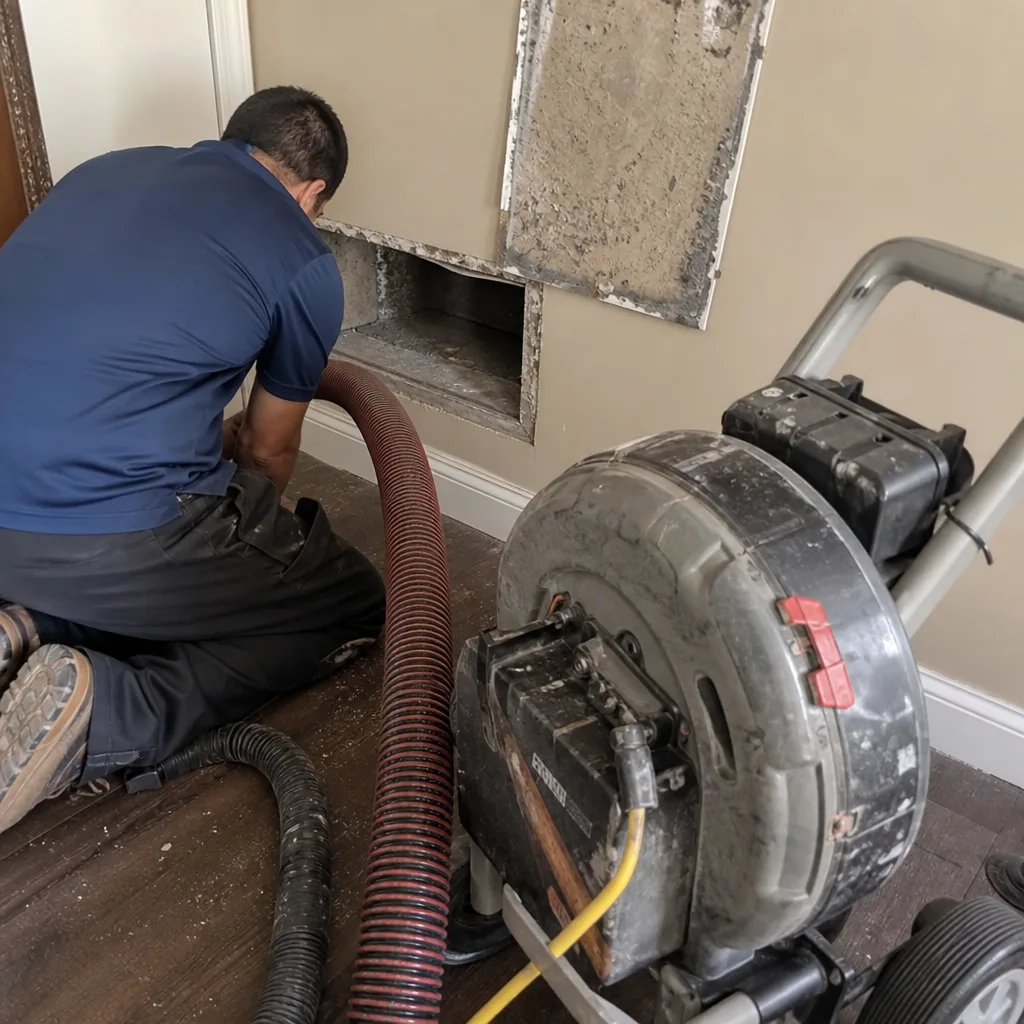 Before
 After
After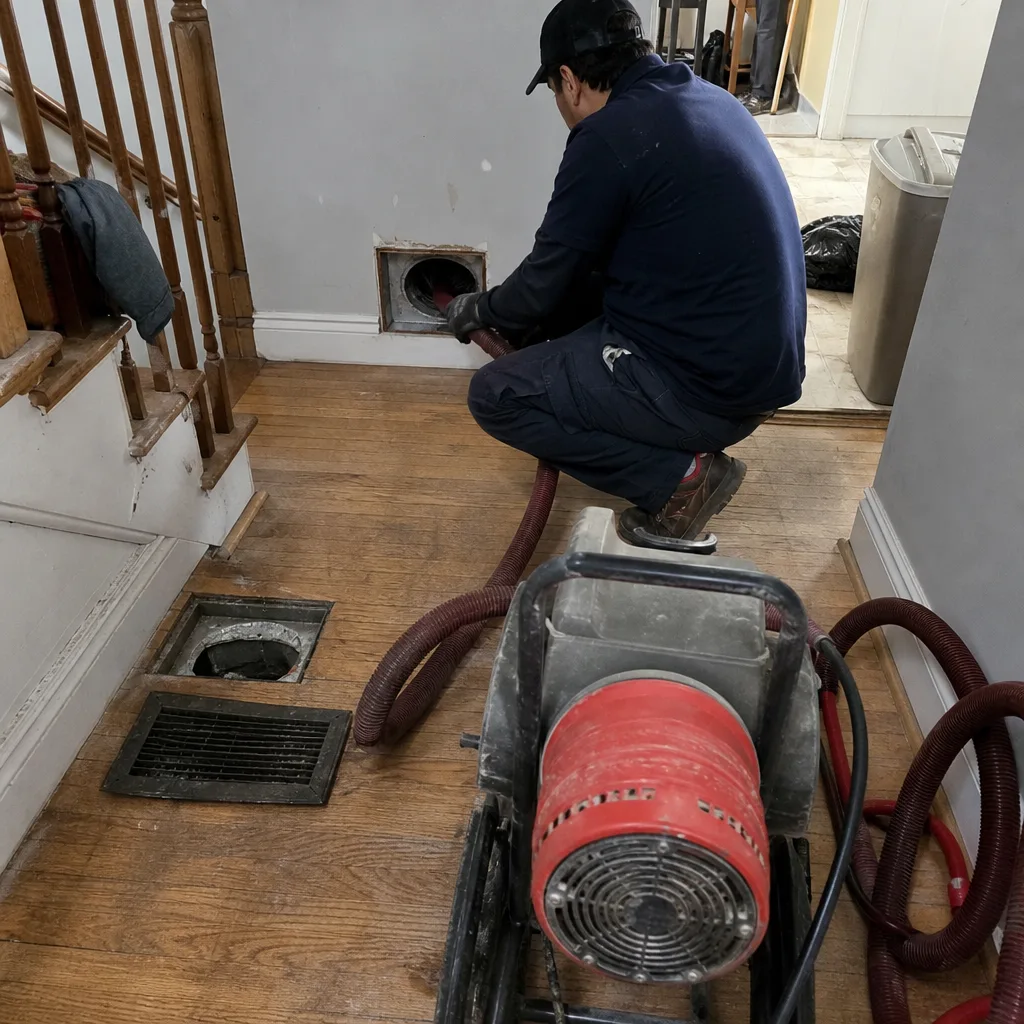 Before
 After
After