
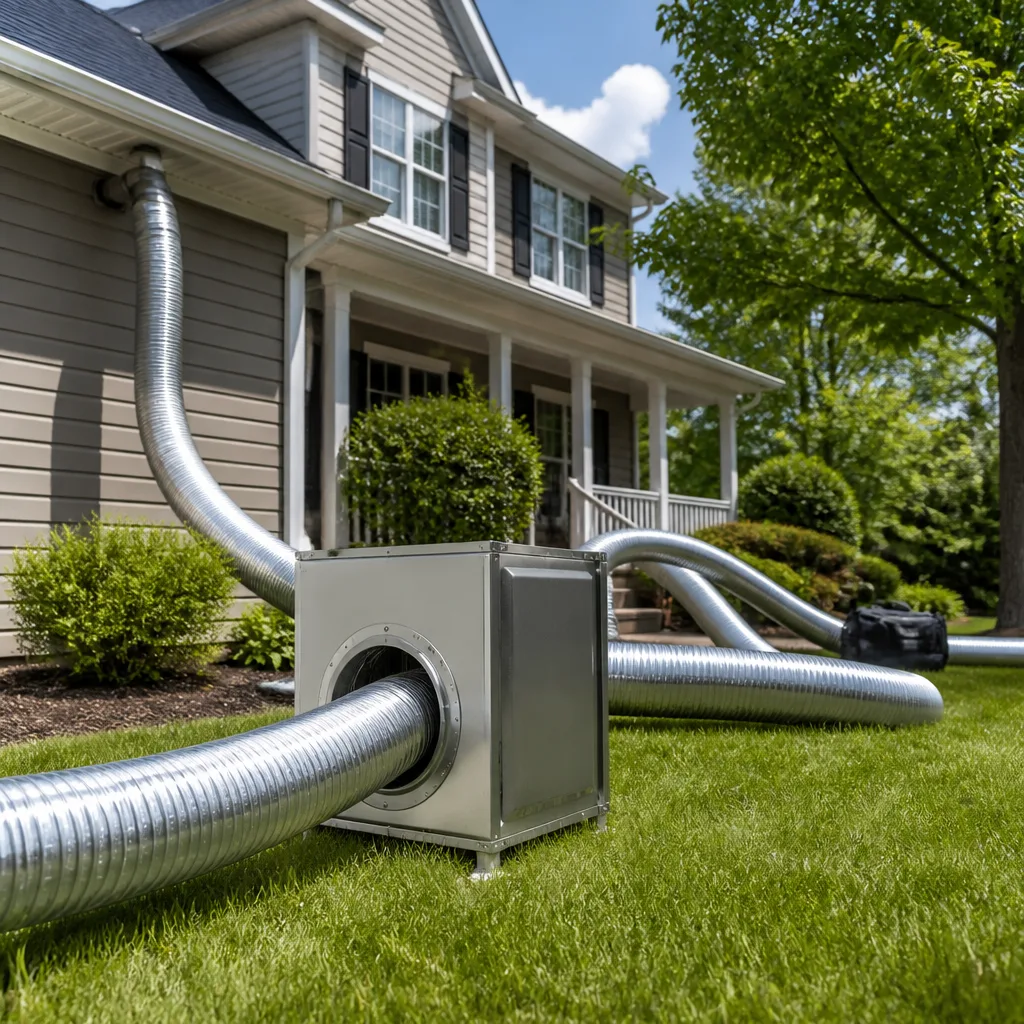
 Whole-home duct cleaning
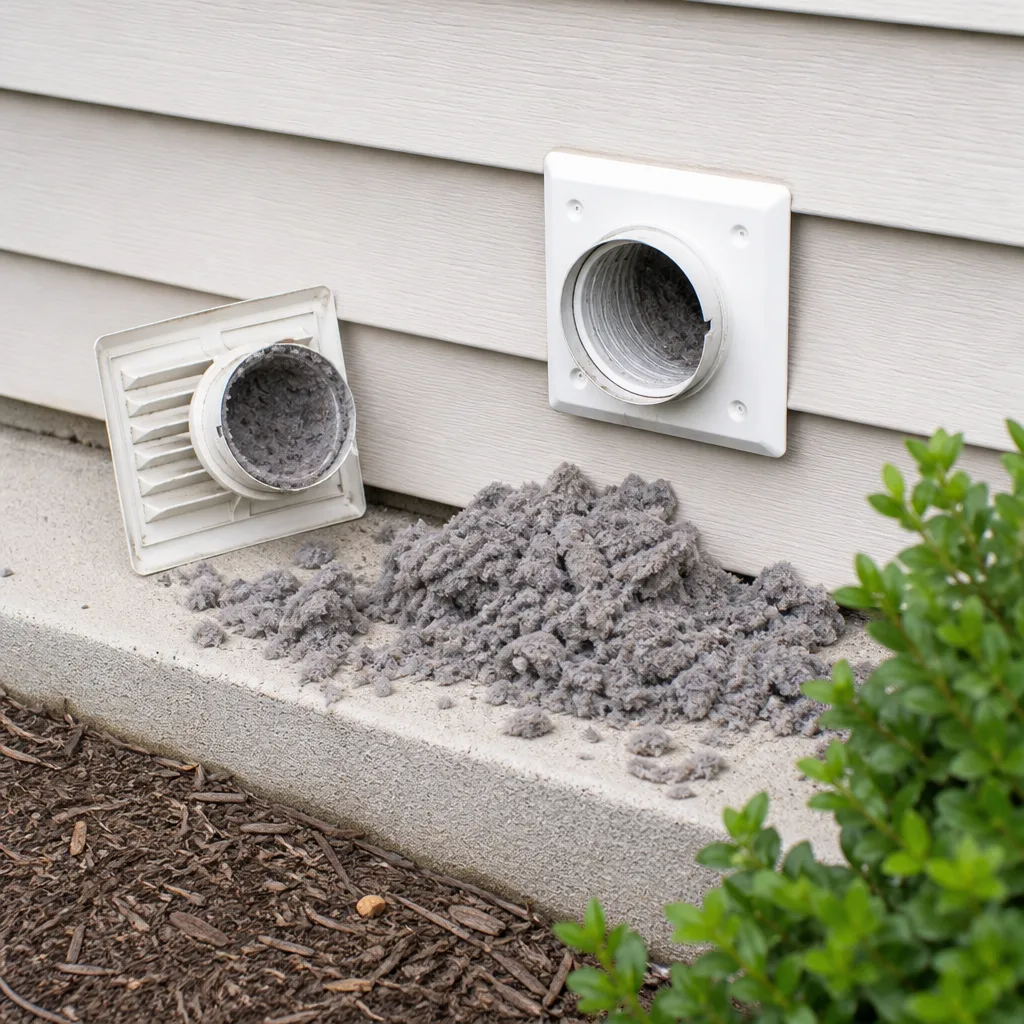 Dryer vent cleaning
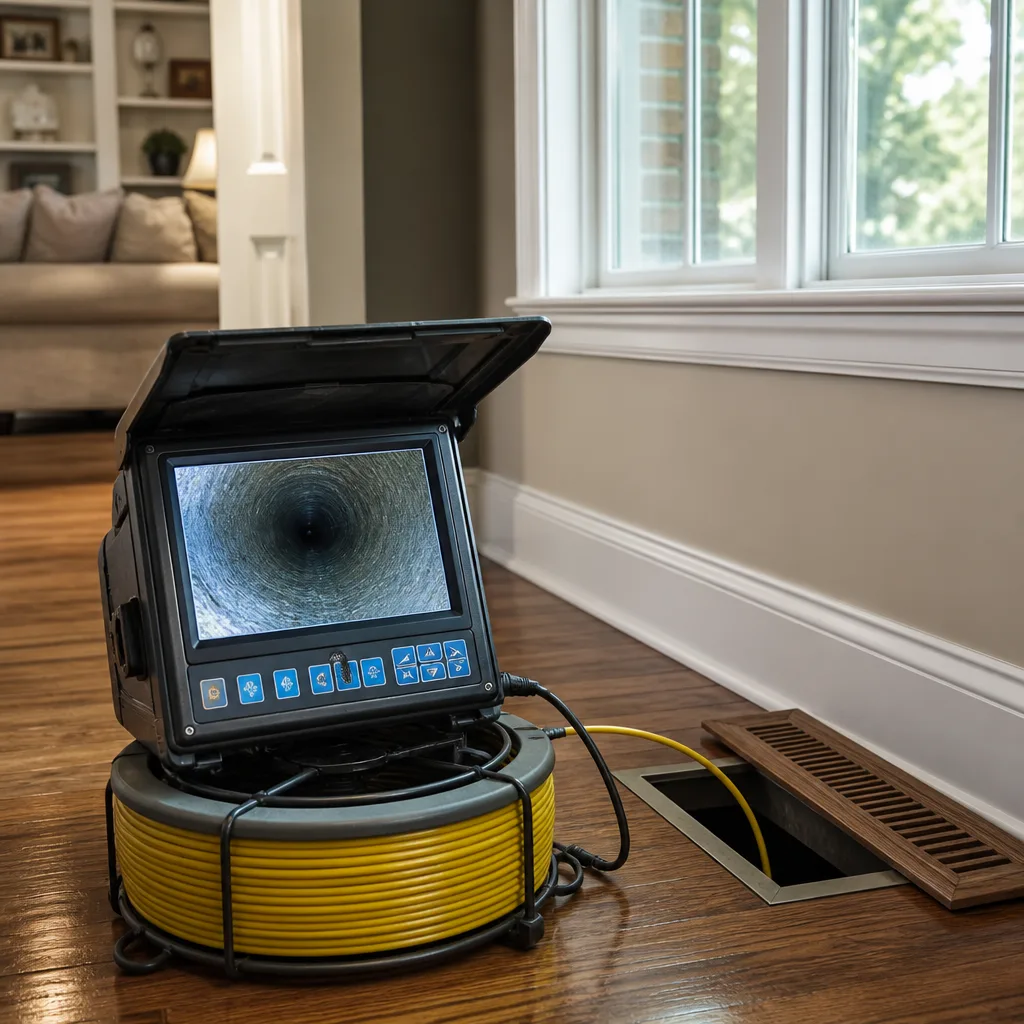 Camera inspection
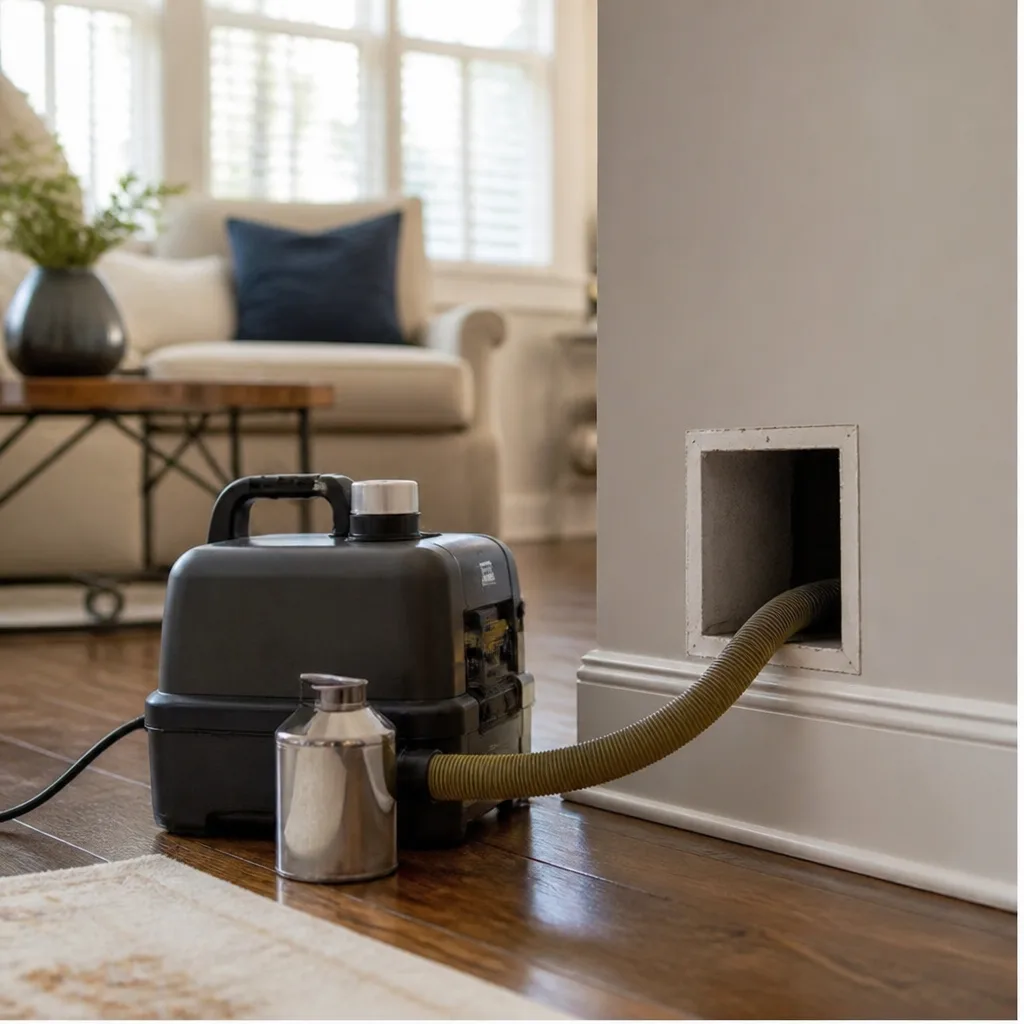 Sanitizing & deodorizing
Whole-system duct and dryer vent check with before-and-after photos - you see exactly what came out of your vents
That "$99 whole-house special" is a bait ad - the real number appears once they are in your hallway, or the "clean" is a shop-vac at the register. We photograph the inside of your ducts before and after instead.
Honeywell Duct Sealing in Hempstead: What to Know First
Honeywell duct sealing in Hempstead typically runs between $850 and $2,400 depending on how much of the system is leaking and how hard it is to reach. We’re an independent Honeywell service provider, not a factory-authorized shop, which means we fix what’s actually wrong without pushing a brand agenda. Most jobs take one day, and the price is written down before we touch a single joint. If you own a Honeywell system and you’re losing conditioned air into your basement or attic, call (516) 559-4917 and we’ll walk you through what to expect before we ever send a truck.
This page is for Hempstead homeowners who want straight numbers and a clear process, no pressure. Roy Castellanos and the crew at Hollis Air Duct Hempstead have worked on Honeywell equipment across Hempstead, Uniondale, West Hempstead, and Garden City long enough to know the housing stock here and the specific ways these systems leak.
How Honeywell Products Fail – and How We Fix Them
Honeywell builds good equipment, but duct systems are only as tight as the seams holding them together. Here are the failure patterns we see most on Honeywell jobs in Hempstead homes:
- Supply plenum seams separating on Honeywell TrueZONE installations. TrueZONE panels manage airflow beautifully, but the sheet metal plenums feeding those zones take thermal expansion stress every season. In Hempstead’s older colonials and capes, where basements swing from damp summers to dry winters, we regularly find the long seams at the top of the plenum have pulled apart. Mastic and mesh tape at the seam re-seals it and holds for years, unlike the aluminum tape the original install often used.
- Return-side leaks pulling basement air into the system. Honeywell media air cleaners and whole-home filtration systems create more static pressure than a bare filter slot. That extra drag can turn small return-duct gaps into active suction points, pulling in musty basement air and whatever else is floating around down there. We seal the return trunk and panned joists with mastic so the only air your Honeywell filter sees is the air from your living space. This is one of the most common Hempstead fixes, especially in homes with unfinished basements and exposed return chases.
- Flex-duct collar connections slipping off Honeywell zone dampers. The damper collar on a Honeywell ARD or ZD series damper is smooth sheet metal. If the original installer used a cheap zip tie instead of a proper draw band, the flex duct slips back over time and you’re dumping conditioned air into the joist bay. We reseat the duct, add a proper stainless draw band, and seal the collar with mastic. That’s a fix the factory site won’t tell you about, because it’s an installation failure, not a product defect, and it’s epidemic in Hempstead splits from the 1990s and 2000s.
- Honeywell HEPA bypass duct leakage. In homes with a Honeywell whole-home HEPA unit installed as a bypass on the main trunk, the branch duct running to the HEPA cabinet often leaks at the take-off collar and the cabinet flange. These bypass runs move less air than the main trunk, so leaks go unnoticed until an energy audit or a musty smell shows up. Sealing the take-off and the cabinet connection restores filtration efficiency and stops the cabinet from pulling negative pressure through gaps.
- Long vertical riser leaks in Honeywell systems with attic air handlers. Hempstead has plenty of split-levels and ranches where the air handler sits in the attic. The vertical riser coming up through the house is often original, and where it passes through the second-floor ceiling or the attic floor, the old canvas connector or sheet metal transition dries out and splits. These leaks are invisible from inside the house because they’re buried in wall cavities or attic insulation. A blower-door-guided inspection finds them, and sealing the transition stops the system from conditioning the attic all summer. Honeywell thermostats and zone panels do their job fine, but the duct system they’re controlling is often the real problem.
Styles & brands we work with
Our Honeywell Duct Sealing Process
When you call about a Honeywell duct sealing job in Hempstead, here’s how it goes:
- 1
Call and talk to a live person. You reach us at (516) 559-4917, not a voicemail tree. We ask about your system, your symptoms, and schedule the visit. You get the price for the diagnostic before we arrive.
- 2
On-site inspection, written findings. A background-checked, uniformed technician walks the system with you. We’re looking for the specific failure modes listed above. If we find a TrueZONE plenum pulling apart, we show you. If the returns are pulling basement air, we point to the gap. You see it with your own eyes before any work is quoted.
- 3
Written price before work starts. We write down exactly what needs sealing, what materials we’ll use (mastic, mesh tape, draw bands, or a combination), and the dollar figure. That number does not move. If we open a wall chase and find more than expected, we stop and call you. No surprises on the invoice.
- 4
The work. We use commercial-grade mastic and proper sealing materials, not hardware-store caulk. Duct mastic is a thick, brush-on sealant that flexes with temperature changes and lasts decades. We seal the leaks, not just slap tape over them. Every joint gets what the manufacturer’s installation standard calls for, and we stay warranty-safe: no modifications that void Honeywell’s coverage on the equipment itself.
- 5
Testing and verification. After sealing, we run the system and check static pressure and airflow at key supply registers. We look for remaining leaks with our hands, a smoke pencil, or a manometer. If we find a problem, we fix it before we leave. You get before-and-after photos of your own ducts so you can see the work that was done, and the price we quoted includes the test.
- 6
The 365-Day Done Right Promise in writing. Every Hollis Air Duct Hempstead duct sealing job is covered for a full year. If a sealed joint opens up again, we come back at no charge and redo it. That’s not a verbal promise. It’s written on your invoice.
See the difference
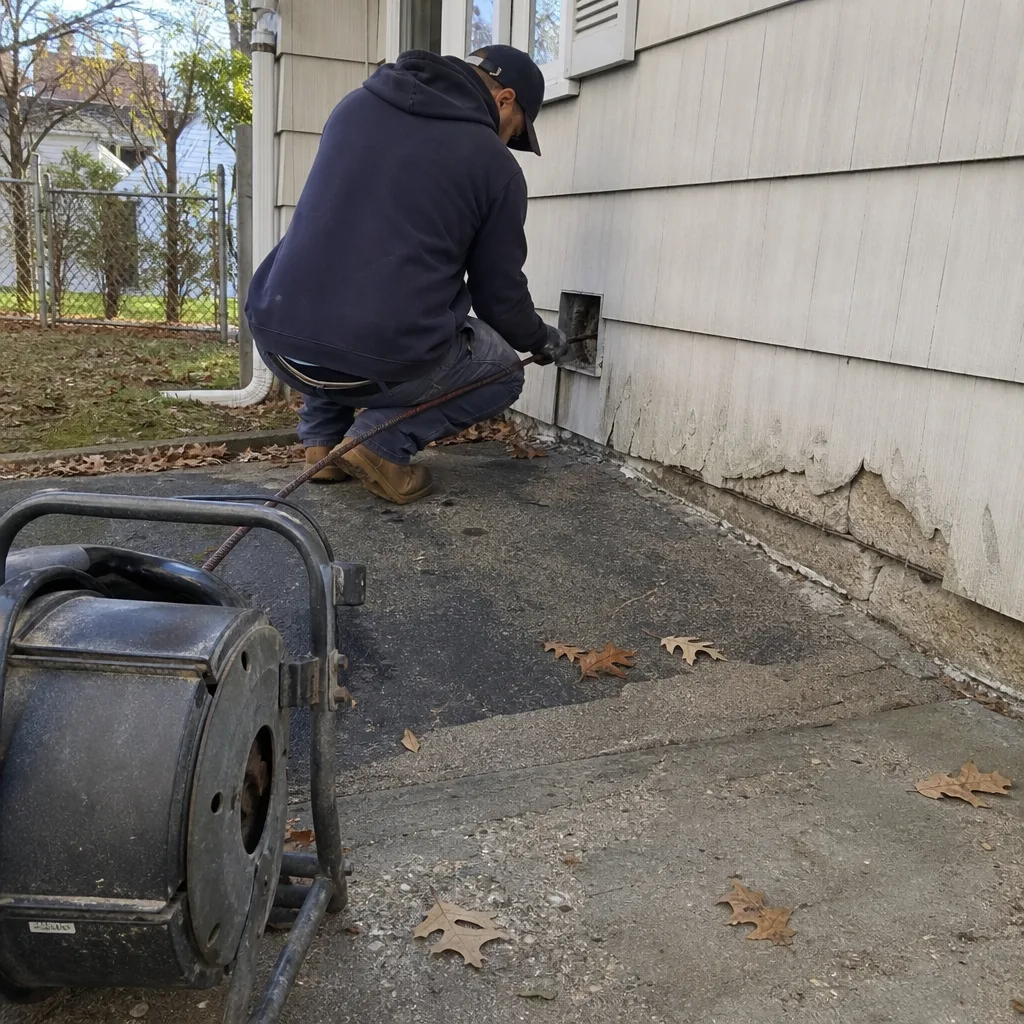 Before
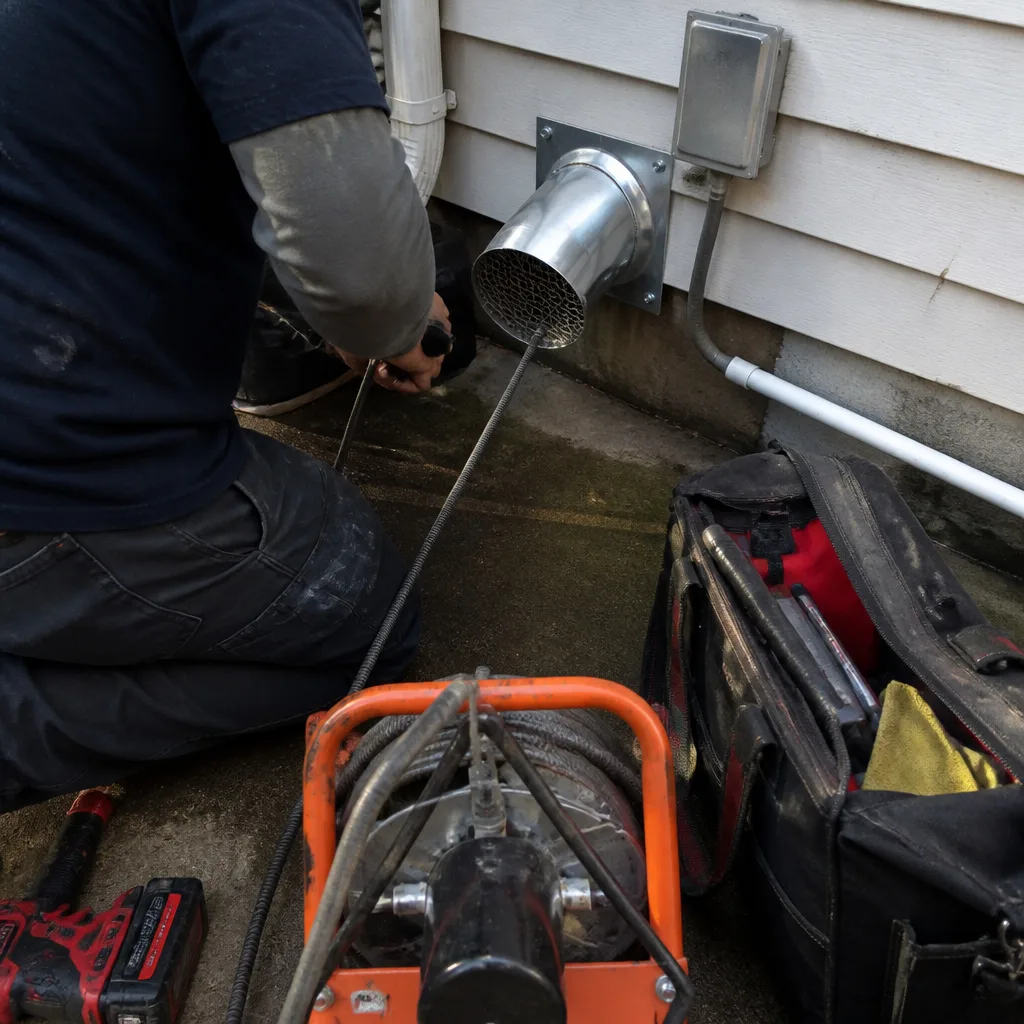 After
After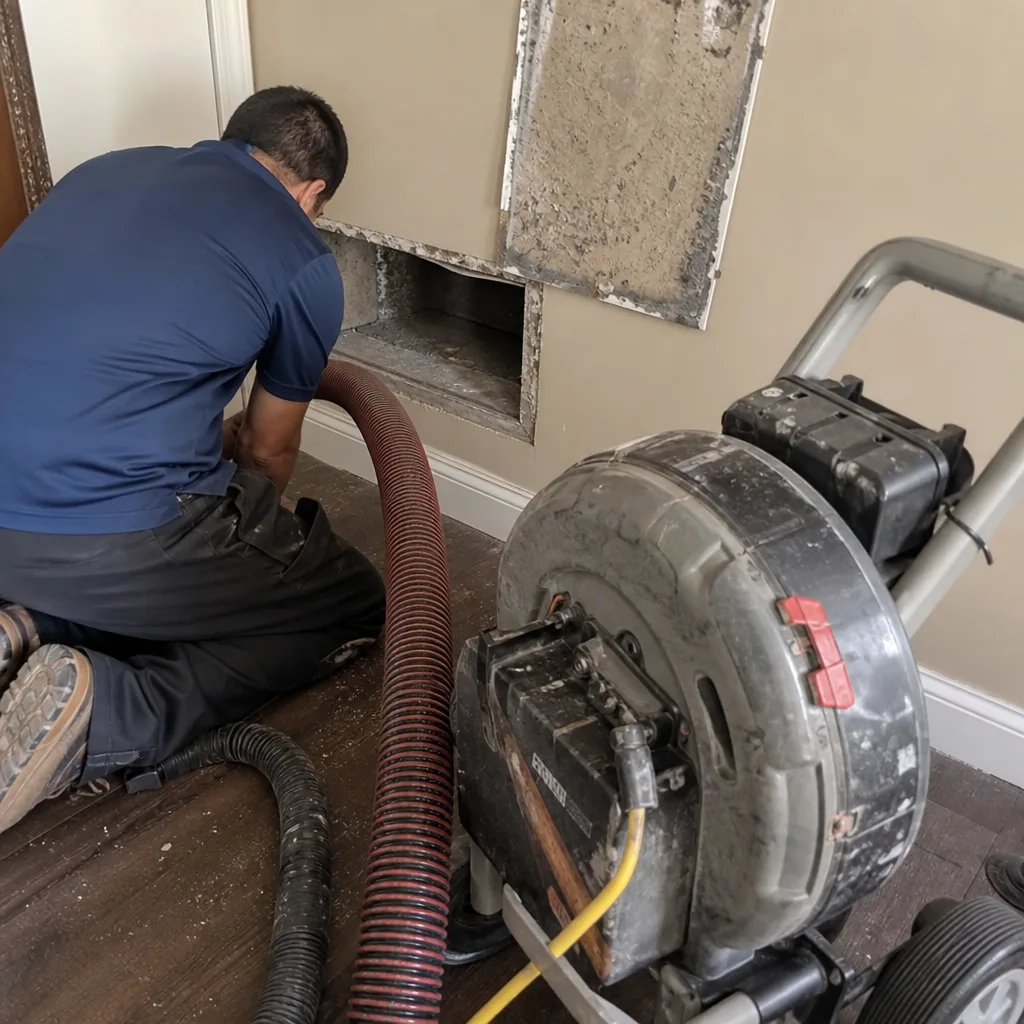 Before
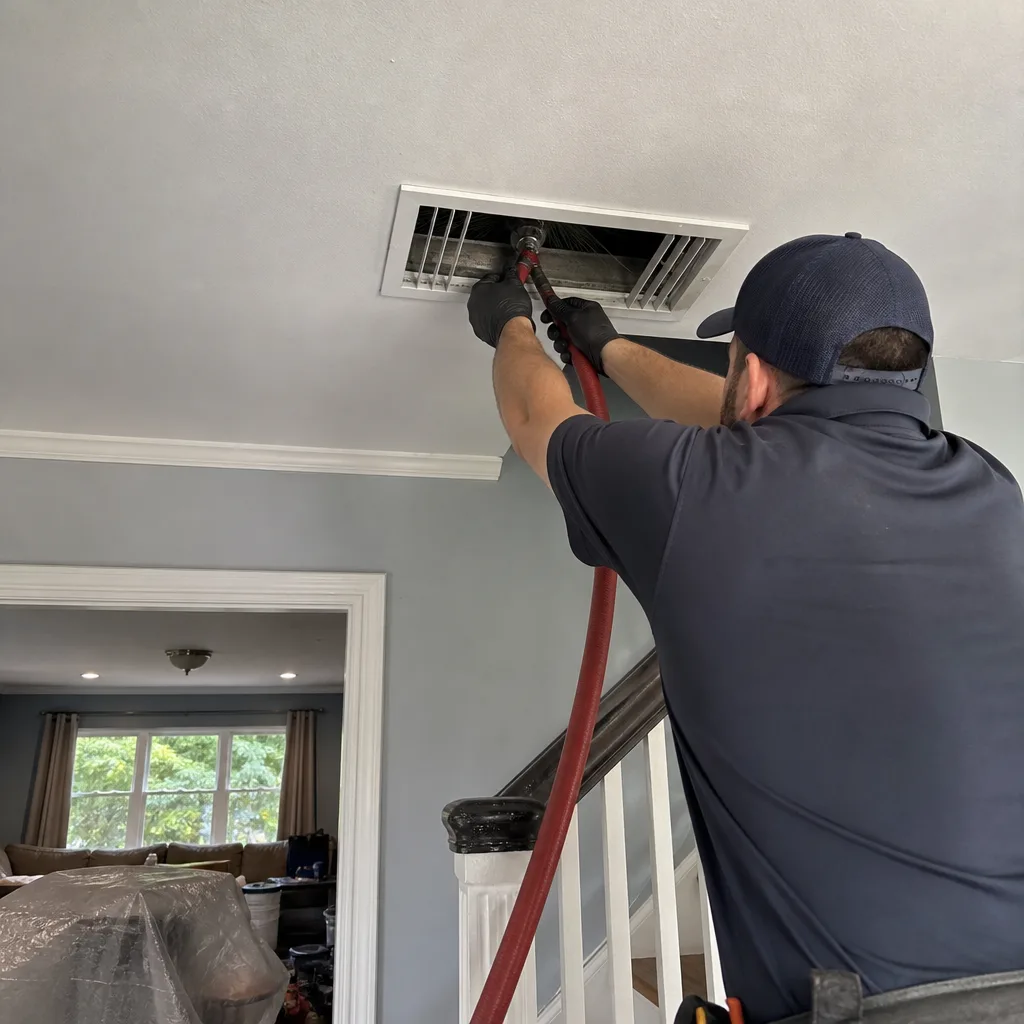 After
After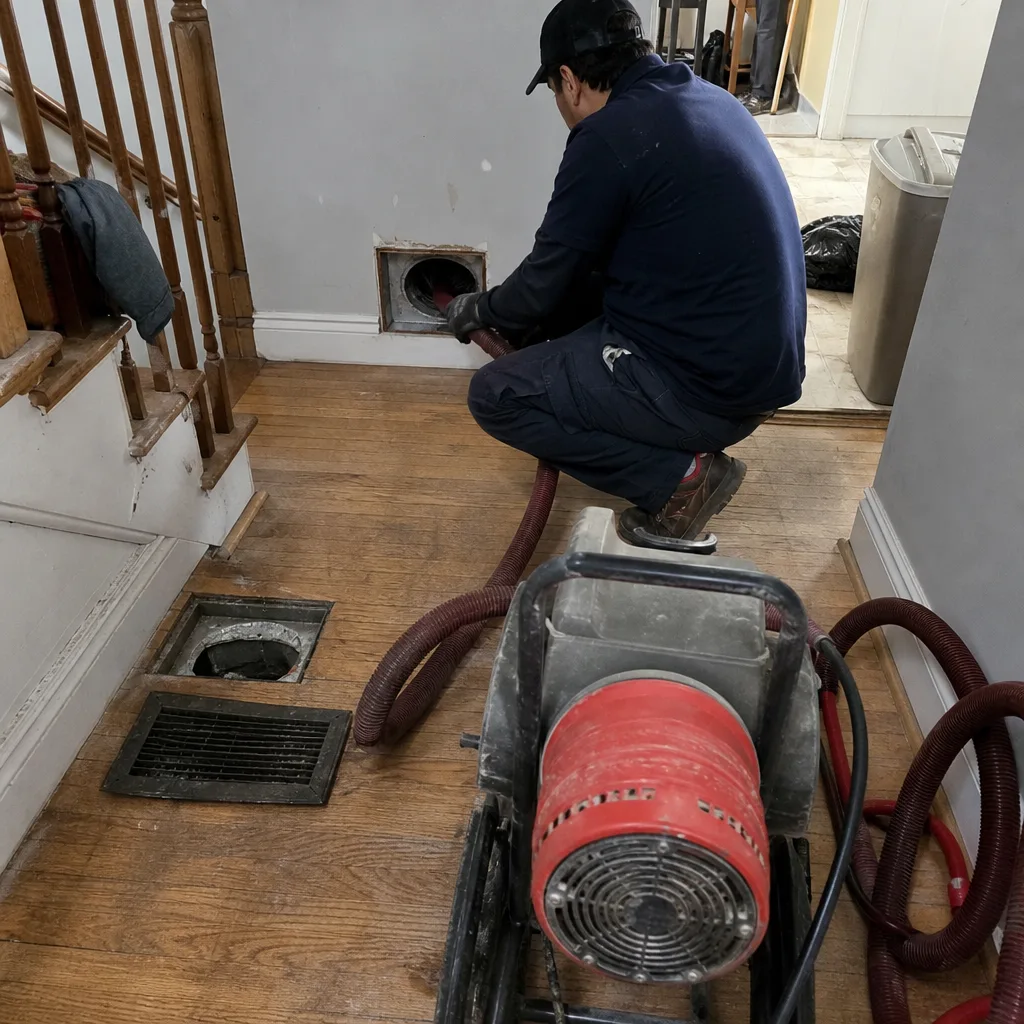 Before
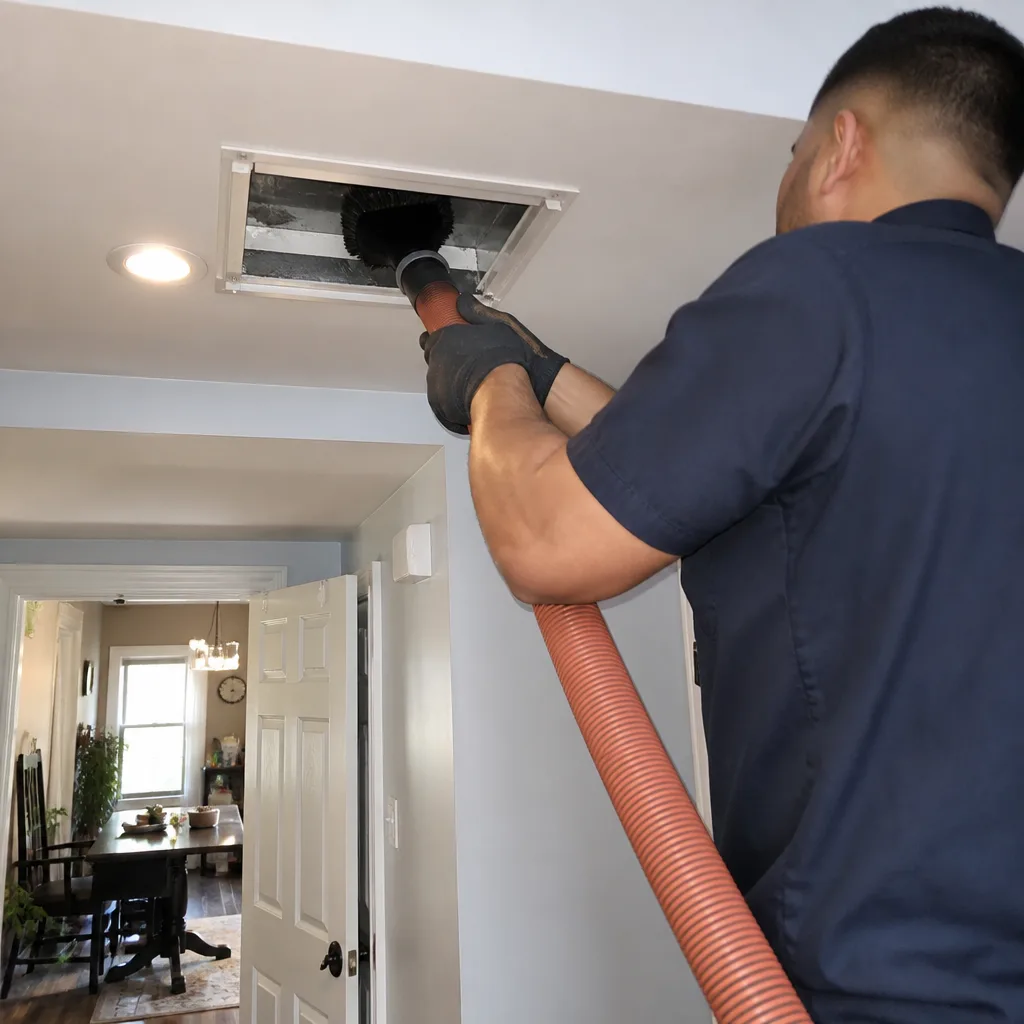 After
AfterWhat Honeywell Duct Sealing Costs in Hempstead
Here are the honest ranges for common Honeywell duct sealing jobs in Hempstead homes:
- Single plenum seam or take-off reseal: $250 to $450. This covers one accessible joint, mastic and mesh reinforcement, and verification testing.
- Full return-side sealing (basement panned joists and return trunk): $600 to $1,100. Typical for colonials and capes with exposed returns in the basement.
- Zone damper collar reseating and sealing (2-4 dampers): $400 to $800 depending on access. This is the common TrueZONE retrofit fix.
- Whole-system duct sealing (attic riser, supply trunk, return, and branch collars): $1,200 to $2,400. The full job on a typical Hempstead split-level or ranch with attic equipment.
What moves the price is access. If we’re working in a finished basement with a drywall ceiling, it costs more than an open joist bay. If the attic is packed with blown insulation, that’s extra labor. We quote it before we start, so you know the number. Call (516) 559-4917 for a free estimate on your specific system.
Why Hempstead Homeowners Call Hollis Air Duct Hempstead for Honeywell Work
We’ve been at this since 2004, and Roy Castellanos built this company on a simple rule: write the price down before you do the work, then stand behind it. The 365-Day Done Right Promise is in writing on every Honeywell duct sealing job. If a sealed joint fails within a year, we come back at no charge, including a free second visit. That’s not a sales line. It’s the kind of guarantee most shops won’t put on paper.
Our techs know Honeywell systems, but they also know Lennox, Trane, and Carrier, which means we’re not selling you a brand replacement when a seal is all you need. We show up in uniform, inside the window we quoted, and we leave your home the way we found it. Clean ducts, straight answers, that’s the whole job.
FAQs
We are an independent Honeywell service provider, not a factory-authorized or affiliated shop. That means we work on your system the way Honeywell’s installation standards specify, but we don’t sell brand-required upsells or push Honeywell-branded parts when a quality aftermarket mastic or draw band does the same job. Your equipment warranty stays intact because we don’t modify the equipment itself. We seal the duct system, which is outside the unit warranty anyway.
No. Duct sealing does not touch the internal components of your Honeywell air handler, zone panel, damper motor, or thermostat. We seal the sheet metal, flex collars, and panned joists that carry the air. Honeywell’s warranty covers manufacturing defects in the equipment. Sealing the duct system properly using manufacturer-approved materials does not void that coverage. If you’re ever unsure, we’ll show you exactly what we’re sealing and why before we touch anything.
The most common signs are rooms that never reach temperature, dust accumulating quickly around supply registers, musty smells when the system initially kicks on, and higher utility bills for the same comfort level. If you have a Honeywell TrueZONE system and some zones feel noticeably weaker than others, the problem is often a leaking duct branch or plenum seam, not the zone panel. We diagnose this during the inspection with airflow measurements and direct visual checks, so you see the evidence for yourself.
We seal what’s leaking, no more. If the return trunk in your Hempstead basement is the problem, that’s what we quote. We don’t sell whole-system jobs when a single plenum seam is the culprit. During the inspection we map every leak we can find and show you the options. You decide what gets done, and the price is written down before we start. If new leaks show up later, you’re covered by the 365-Day Done Right Promise on what we sealed.
Most single-section jobs, like a return trunk or a zone damper collar, take half a day. A whole-system seal on a typical Hempstead split-level runs a full day, sometimes a day and a half if the attic access is tight. We give you a clear time window when you schedule, and we arrive inside it. The price we quote is the price you pay, regardless of how long the work takes us.
Call Hollis Air Duct Hempstead at (516) 559-4917 for a free estimate on Honeywell duct sealing in Hempstead. A live person answers, we give you straight numbers, and we stand behind the work in writing for a full year.
Written by Roy Castellanos, Owner, Hollis Air Duct Hempstead at Hollis Air Duct Hempstead, serving Hempstead and nearby areas.