
Last updated October 15, 2026
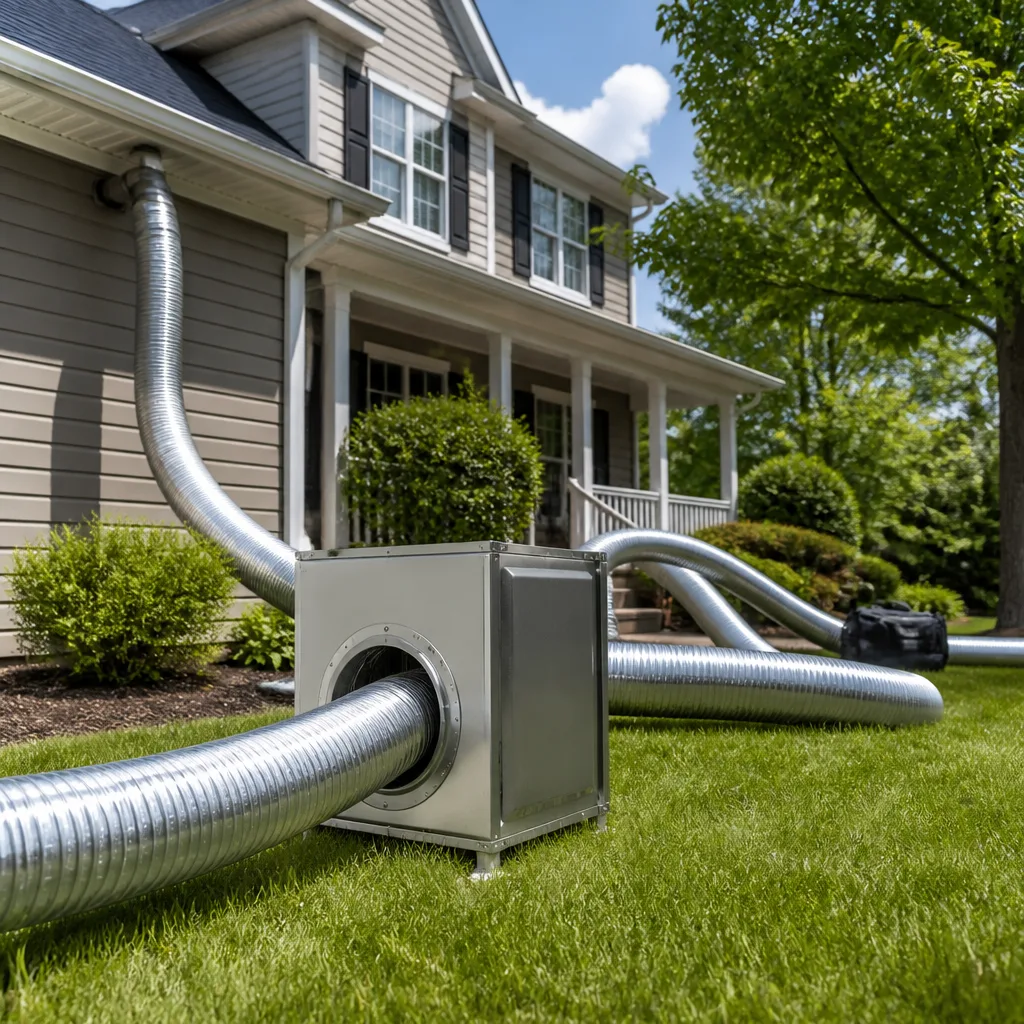 Whole-home duct cleaning
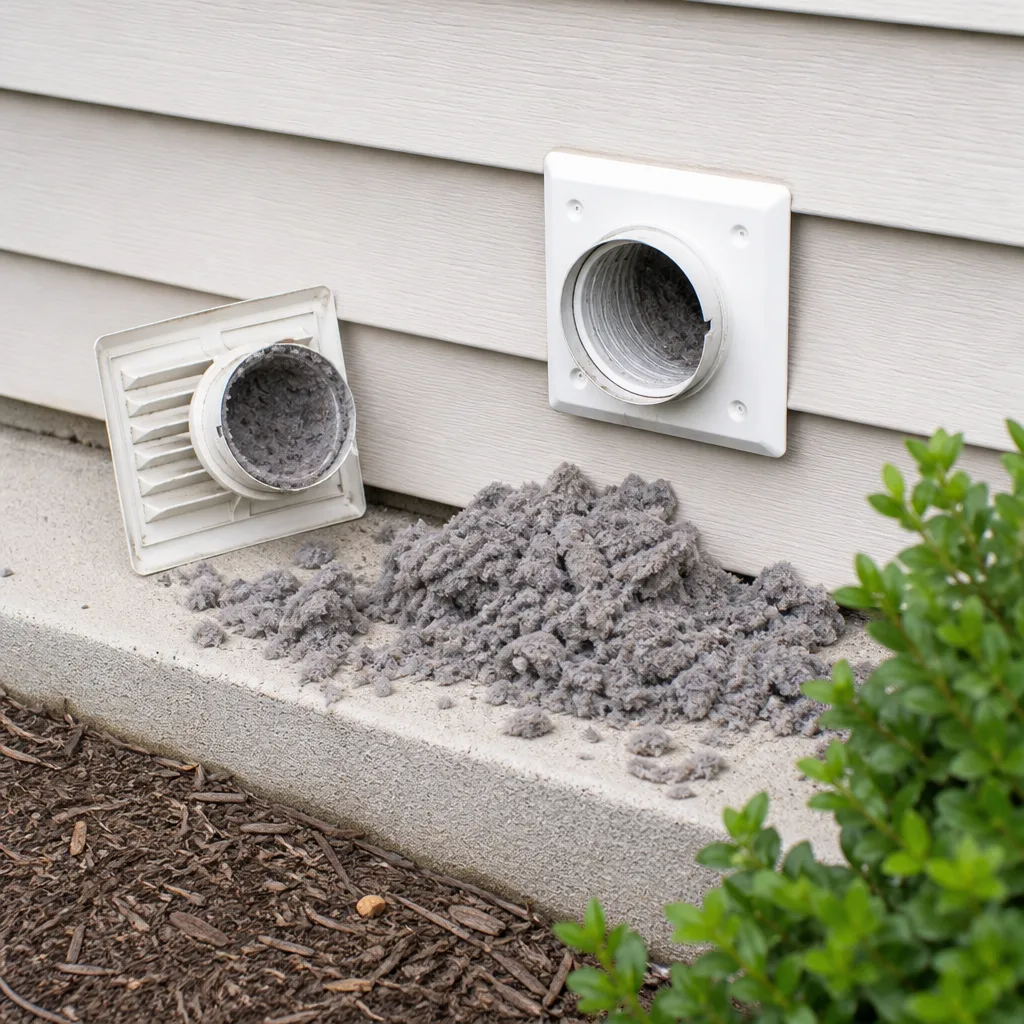 Dryer vent cleaning
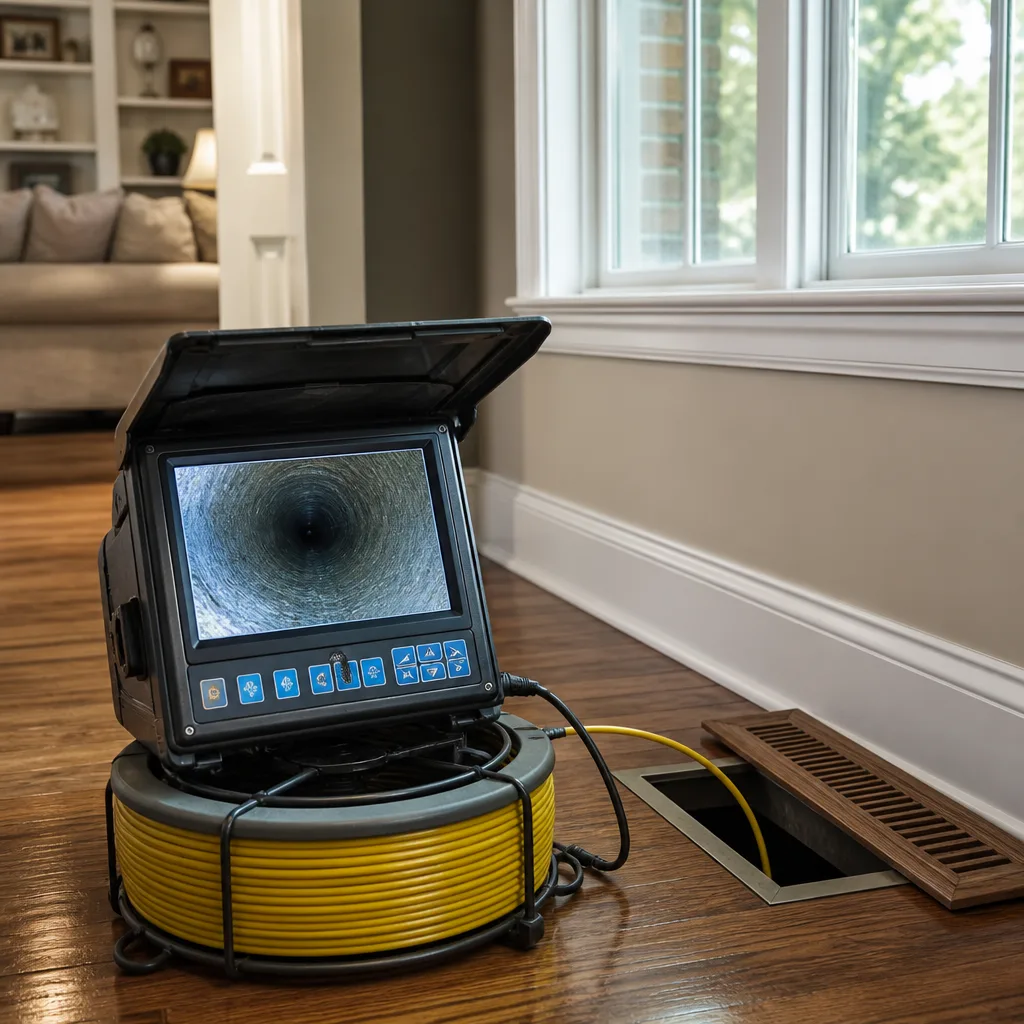 Camera inspection
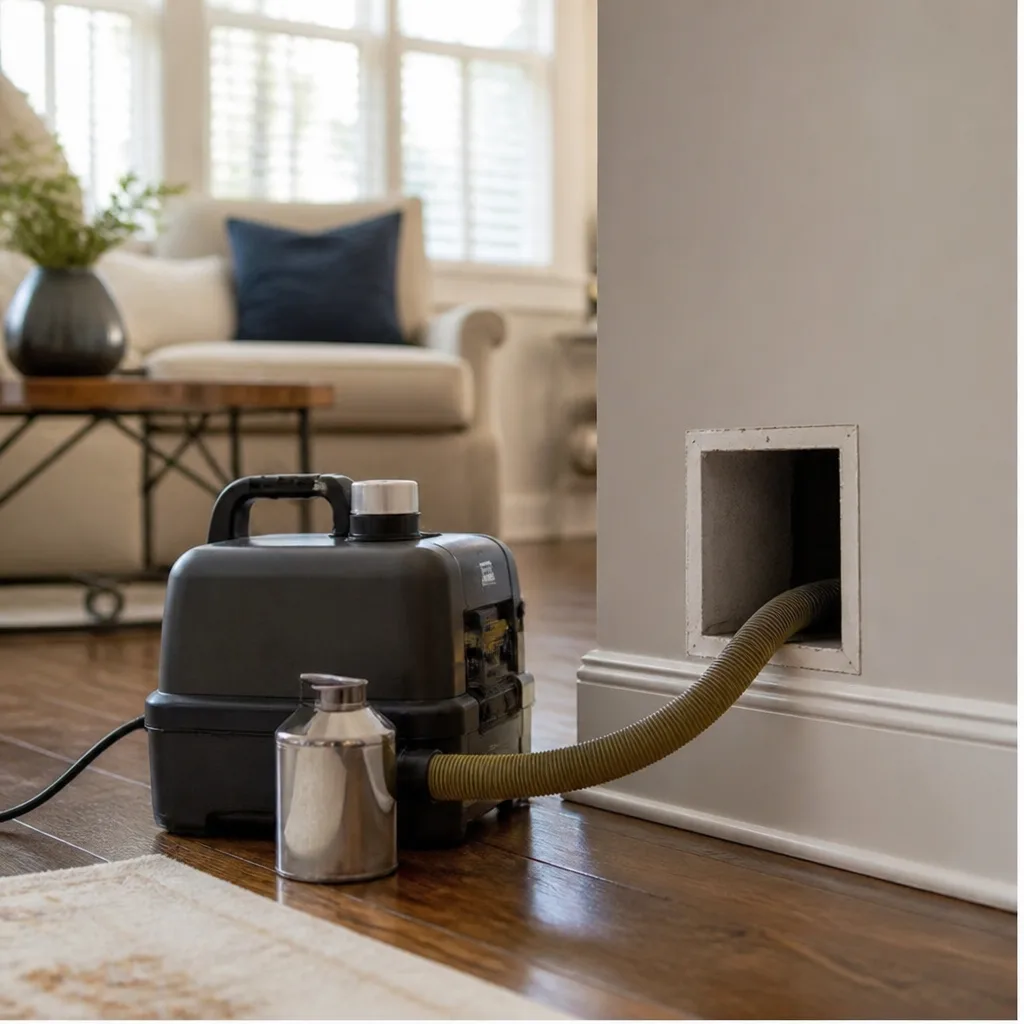 Sanitizing & deodorizing
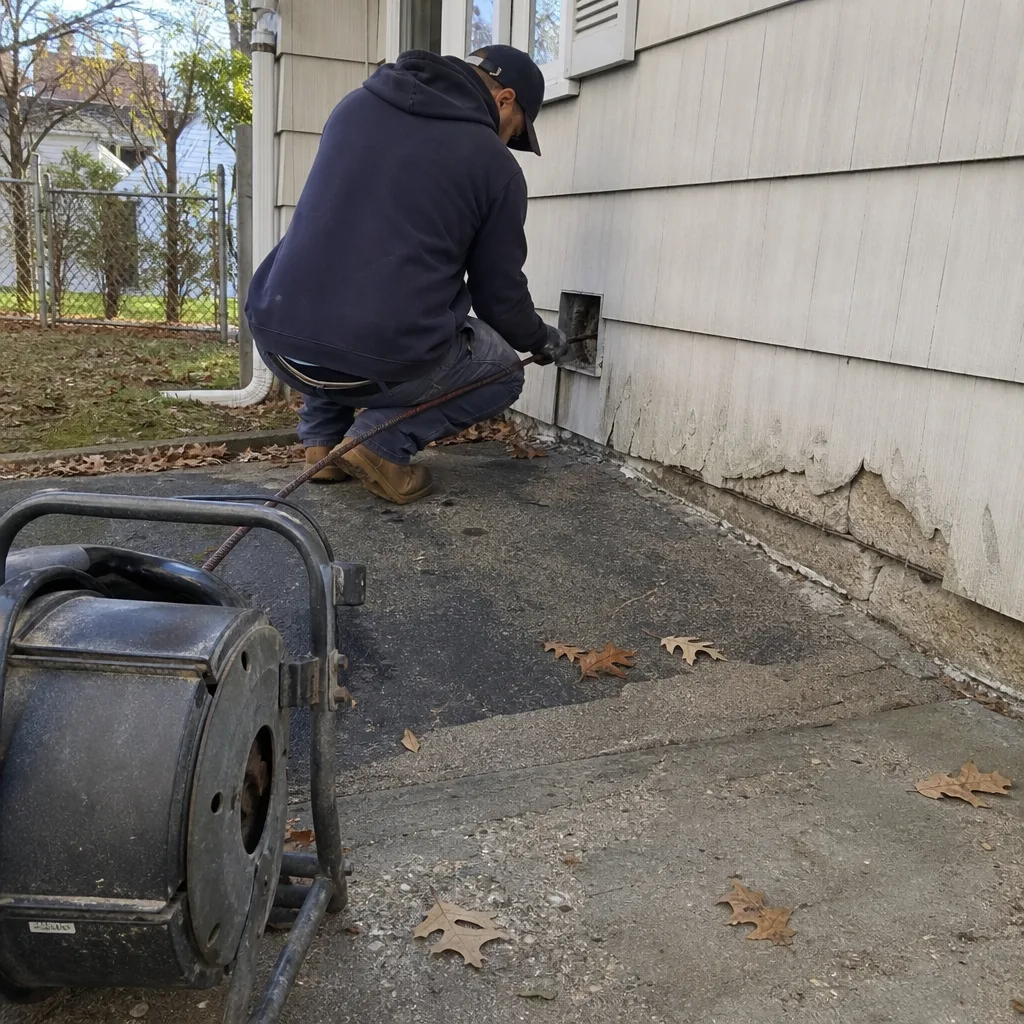
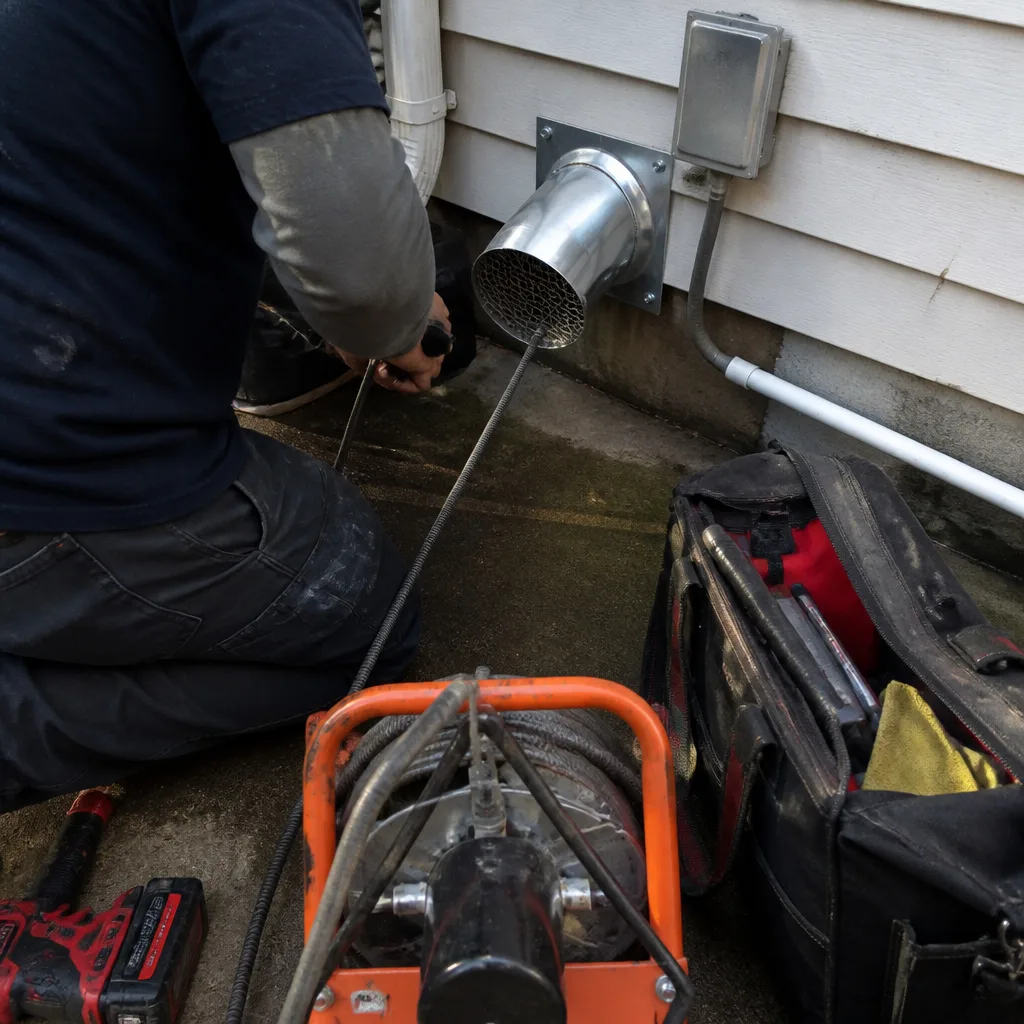
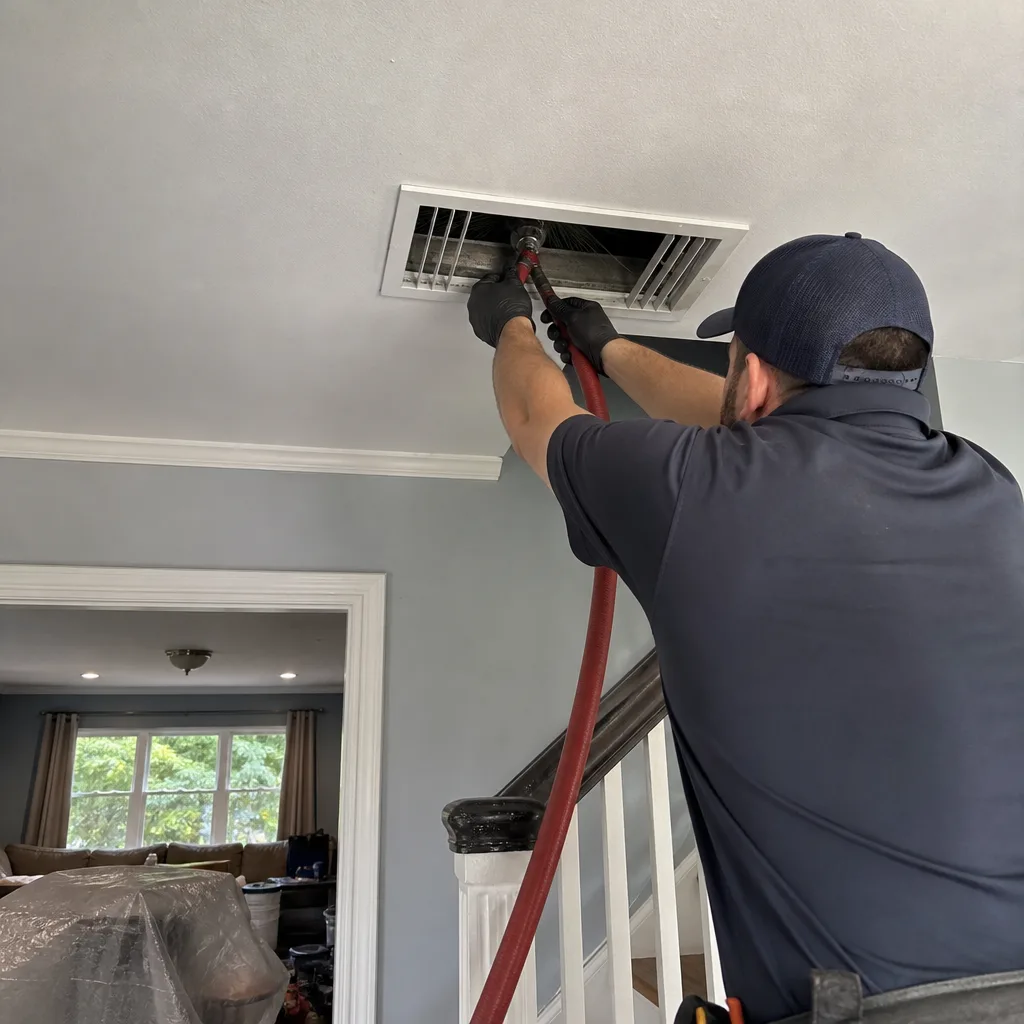
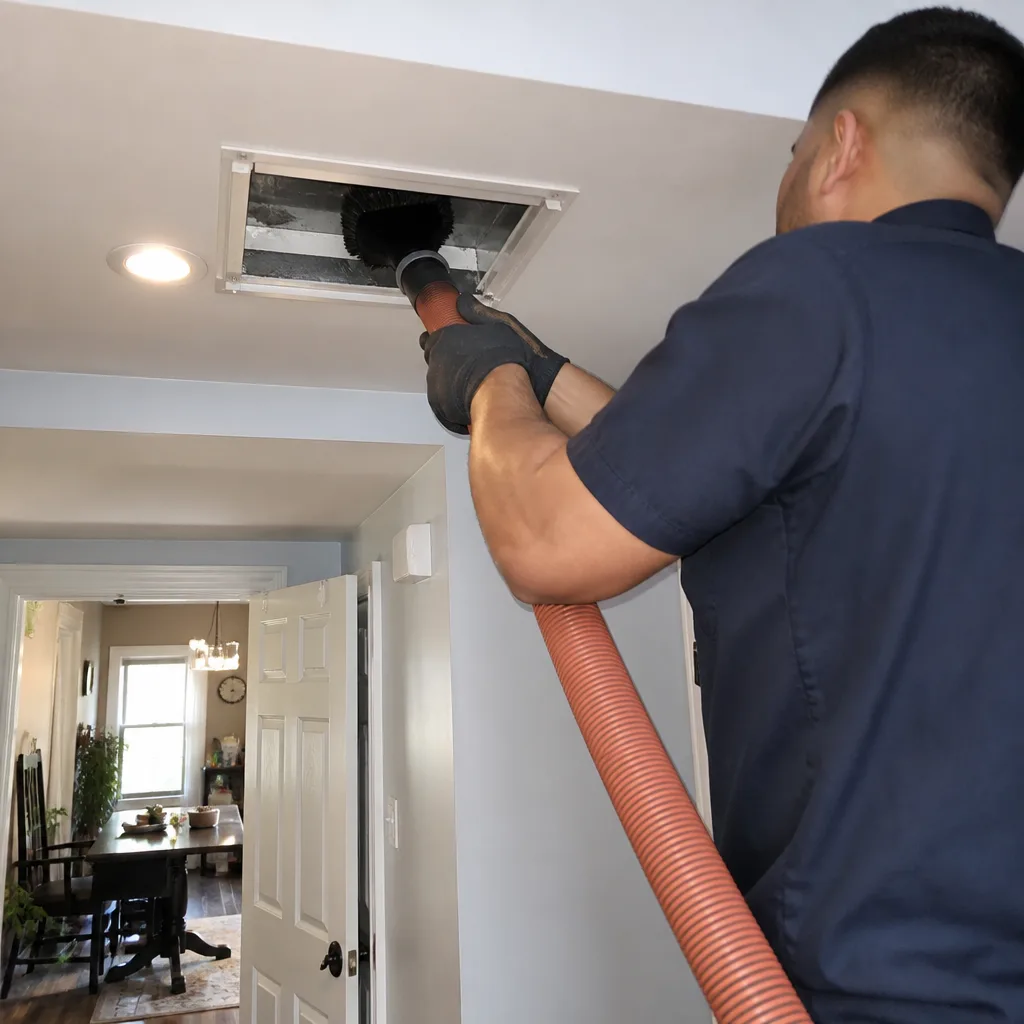
Whole-system duct and dryer vent check with before-and-after photos - you see exactly what came out of your vents
That "$99 whole-house special" is a bait ad - the real number appears once they are in your hallway, or the "clean" is a shop-vac at the register. We photograph the inside of your ducts before and after instead.
Air Duct Cleaning Maintenance Checklist for Hempstead Homeowners
A dirty filter doesn’t mean dirty ducts, and clean ducts don’t mean a clean filter. Conflating the two is how Hempstead homeowners either over-service their HVAC system or miss a genuine contamination problem for years. This guide gives you a documentation habit, not a cleaning schedule. You’ll learn exactly what to inspect, what to log, what’s safe to handle yourself, and where the hard line is between homeowner maintenance and professional Air Duct Cleaning services.
Styles & brands we work with
Quick Answer
A practical air duct maintenance checklist for Hempstead homeowners has three parts: a monthly register and return-air inspection, a written log of filter changes and HVAC runtime, and a documented response to triggers like renovation dust, storm surge moisture, or a fuel-source change. The checklist catches six conditions that make duct cleaning urgent before they turn into an HVAC repair bill or a persistent air quality complaint.
Table of Contents
- Why a Maintenance Checklist Beats a Cleaning Schedule
- Room-by-Room Register Inspection: The 10-Minute Monthly Walk
- The Documentation Log: What to Write Down and Why Contractors Need It
- Three Maintenance Items You Can Do Yourself (and Where DIY Stops)
- Hempstead-Specific Triggers: Renovation, Storm Surge, and Fuel Switching
- Using the Checklist as a Contractor Accountability Tool
- Common Mistakes to Avoid
- When to Call a Professional
- Frequently Asked Questions
- The Bottom Line
Why a Maintenance Checklist Beats a Cleaning Schedule
Most duct cleaning companies hand homeowners a “clean every 3 to 5 years” line and call it guidance. That’s a schedule, not a standard. The problem with a schedule is that it ignores what’s actually happening inside your ductwork between cleanings. A house in Hempstead with two shedding dogs, a history of window-unit condensation, and a kitchen exhaust that vents inadequately may need attention far sooner than a minimally occupied condo in the same zip code.
A maintenance checklist flips the logic. Instead of watching the calendar, you watch the system. You document what you see at each supply register and return-air grille, log when filters go in and come out, and note any shift in airflow or odors. Over time, that log becomes a diagnostic record. When a technician from a company like Hollis Air Duct Hempstead home arrives, they can read your notes and understand the system’s history before they open the first access panel.
The six conditions a good checklist catches early: visible dust accumulation beyond normal surface film, moisture staining or rust at registers, pest evidence such as droppings or nesting material, a sudden drop in airflow from one room, odors that appear only when the blower runs, and family allergy symptoms that worsen seasonally. None of these announce themselves with an alarm. All of them show up in a consistent inspection routine.
We’ve seen Hempstead homes where a ten-minute monthly walkthrough would have caught a failing condensate line months before the ceiling below it needed repainting. The checklist isn’t about being obsessive. It’s about being deliberate.
Room-by-Room Register Inspection: The 10-Minute Monthly Walk
The core of any air duct maintenance routine is visual inspection of every supply register and return-air grille in the house. This takes less time than you think. For a typical three-bedroom Hempstead colonial or ranch, ten minutes once a month is enough.
Here’s the step-by-step routine:
- Shut the system off at the thermostat. You want the blower static so you can see settled material, not material being pushed around by airflow.
- Start at the farthest register from the air handler. In most Hempstead homes, that’s a second-floor bedroom or a back addition. Work your way toward the unit.
- Remove the register cover. Most lift off or unscrew with two screws. Set the screws in a small cup, not on the floor where they roll away.
- Look inside the register boot. The boot is the metal transition piece that connects the duct run to the register opening. This is where most contamination becomes visible first.
- Photograph anything that concerns you. A phone photo with the date gives you a baseline for comparison next month.
- Wipe the register cover itself. A damp cloth gets the visible grime. Dry it before reinstalling.
- Move to the next register and repeat.
What does “normal” look like? A light gray film of dust on the boot interior is typical. It accumulates slowly and wipes away with a dry cloth. What’s not normal: dark, damp-looking patches that suggest moisture; thick, fuzzy growth that looks like gray or black cotton; debris lines that suggest standing water at some point; or granular material that looks like sand, which can indicate deteriorating duct liner or pest intrusion. In our experience in Hempstead, we regularly see condensation-related staining at registers in finished basements where the boot passes through an unconditioned space.
Return-air grilles deserve extra attention. They pull room air into the system, so they collect more household dust than supply registers. A return grille that’s fully caked with a felt-like layer of dust is starving your system. The blower works harder, filter life shortens, and airflow to every room drops.
Pest evidence is the other thing to log. Mouse droppings in a register boot, insect wings, or a smell of stale nesting material means the duct system has an access point that needs sealing, not just cleaning. Document it, photograph it, and get a professional assessment. This isn’t a filter problem.
The Documentation Log: What to Write Down and Why Contractors Need It
Most homeowners call for Air Duct Cleaning in Hempstead and say something vague like “I think the air is dusty.” That’s an honest observation, but it gives a technician almost nothing to work with. The same observation backed by a written log tells a completely different story.
Keep a simple notebook or a notes app on your phone. The log doesn’t need to be elaborate. What it needs is consistency.
Here’s what to record:
- Filter change dates. Note the date, the filter brand and MERV rating, and what the old filter looked like when you pulled it. A filter that goes from clean to heavily loaded in three weeks tells a different story than one that looks clean after three months.
- HVAC runtime observations. You don’t need exact hours. Note roughly how much the system runs. During a Hempstead summer, an AC system that runs nearly nonstop for days matters when you’re assessing duct condition.
- Airflow complaints. If a bedroom feels stuffy or a specific room is warmer than the rest of the house, write it down with the date. One note is a data point. Four notes across two months is a trend.
- Odor notes. When you smell something, where you smell it, and whether it appears only when the system is blowing. A musty odor on startup often points to moisture in the system or a dirty evaporator coil.
- Family health patterns. This sounds medical, but it’s practical. If sneezing, congestion, or asthma flare-ups track with HVAC season, that’s a useful signal. You don’t need a diagnosis, just a note.
- Any work done on the house. Renovation, roofing, pest treatment, plumbing work, any change to the home’s envelope or mechanicals. All of it can affect duct condition.
Why does this matter to a contractor? Because the log lets us diagnose the system faster and quote it accurately. If you can tell us that the return grille in the living room has been heavily loaded within weeks of each filter change for six months, we know to look at the return-air pathway, not just the duct interior. If you can tell us the airflow to the second-floor bedrooms dropped noticeably after a roofing project, we know to check for debris in the branch runs from attic work. Your notes save diagnostic time and reduce the chance of a misquoted scope of work.
Three Maintenance Items You Can Do Yourself (and Where DIY Stops)
A good checklist separates what a homeowner can safely handle from what requires a trained hand. There are three maintenance items that belong firmly in the homeowner’s column.
1. Sealing visible gaps at register boots. Remove the register cover and look at the seam where the boot meets the drywall or floor opening. If you can see a gap, conditioned air is leaking into wall and floor cavities. For a supply boot, this means air you paid to cool or heat never reaches the room. For a return boot, it means the system is pulling unfiltered air from inside the wall. The fix is straightforward: a tube of paintable latex caulk or a foil tape rated for HVAC use around the boot perimeter where it meets the finished surface. This is a low-risk, high-value maintenance task that most Hempstead homeowners can complete in an afternoon, working register by register.
2. Replacing filters on schedule. This is the single highest-leverage maintenance habit for any forced-air system. A 1-inch filter typically needs replacement every 30 to 90 days depending on the MERV rating, the number of occupants, pets, and how much the system runs. A 4-inch or 5-inch media filter may last six to twelve months. The key is writing the install date on the filter frame with a marker and setting a reminder. For most Hempstead homes, a MERV 8 filter is the sensible default for a standard 1-inch filter slot. Going higher without confirming your system can handle the added static pressure reduces airflow and can freeze the evaporator coil in summer. Filters from brands like Honeywell and Aprilaire are widely available and consistent in quality.
3. Keeping return-air areas unobstructed. Furniture pushed tight against a return grille, curtains hanging over it, or a wall of storage boxes stacked in front of it all restrict return airflow. The system has to work harder to pull air back to the handler. Walk the house and confirm every return has at least a few inches of clear space. Check behind couches and under console tables. This is especially important in Hempstead homes where the return is a single central grille in a hallway, a common configuration in older construction.
Where does DIY stop? At the interior of the ductwork. If you see visible mold growth, pest nesting, or standing water inside the duct system, that’s a professional job-see our guide on Air Duct Cleaning Warning Signs: A Hempstead Homeowner’s Reference Guide. The same goes for any work that requires cutting access into the ductwork, using negative-air equipment, or applying duct sealing mastic to runs you can’t see. Furnace and AC systems also involve high-voltage electrical components. No maintenance checklist should include opening the blower cabinet or touching the evaporator coil. That’s a hard line, and it exists because the consequences of getting it wrong range from equipment damage to serious injury.
Hempstead-Specific Triggers: Renovation, Storm Surge, and Fuel Switching
Some duct cleaning triggers are universal: pets, smokers in the house, a long stretch without filter changes. But Hempstead has three triggers that show up in this market more than most, and each one demands an immediate checklist review rather than a wait-and-see approach.
Post-renovation. Hempstead’s housing stock spans early-1900s colonials, mid-century ranches, and newer gut renovations. Renovation work generates dust that ordinary vacuuming doesn’t capture. Drywall sanding produces particulates fine enough to stay suspended in air for days and find their way into the return side of the HVAC system. Floor refinishing does the same with wood dust and polyurethane fumes. If you’ve had any sanding, demolition, or floor work done, check every register within a week of project completion. Look for a fine white or tan coating inside the boot. If it’s there, the ducts need professional cleaning. No filter catches what’s already settled inside the runs.
Post-flood and storm surge moisture. Hempstead sits in a zone where coastal storm events can push water into basements and crawlspaces. Even homes that don’t take on standing water can experience elevated humidity that condenses inside cool duct surfaces. The result is the same set of conditions that support mold growth and dust mite proliferation. After any storm event that raises indoor humidity or puts water in the basement, inspect the lowest registers first. Look for staining, rust, or a musty odor when the system starts. If a basement flooded even a few inches, any ductwork in that space needs professional evaluation. Damp duct interiors don’t dry out on their own in a Long Island summer.
Switching from oil to gas heat. A significant number of Hempstead homeowners have converted from oil-fired heating to natural gas over the past decade. The conversion often includes a new furnace or boiler and sometimes new duct connections. The old oil system leaves a sooty residue in the ducts that a gas system won’t burn off. Soot is fine, sticky, and hangs onto the duct walls. If your home converted from oil to gas and the ducts were never cleaned after the changeover, that’s a primary trigger. Ask the contractor specifically whether the existing ductwork was cleaned or assessed during the conversion.
Using the Checklist as a Contractor Accountability Tool
The same documentation that helps a contractor diagnose your system faster also protects you from a contractor who doesn’t do the work. A maintenance checklist gives you a concrete way to evaluate bidders before you commit and to verify work after it’s done.
Here’s how to use it during the estimate process:
- Bring your log to every estimate appointment. A written history of filter changes, airflow complaints, and inspection notes tells the estimator that you’re paying attention. It changes the dynamic from a sales call to a diagnostic conversation.
- Ask each bidder what they’re actually inspecting. A legitimate estimate for Duct Sealing in Hempstead or duct cleaning should include a visual inspection of the supply and return sides, the filter condition, and the air handler. If the estimator walks through in five minutes and quotes a number without opening a single register, note that.
- Ask whether they’ll show you before-and-after photos. Any competent duct cleaning company photographs the duct interior before and after the job. The photos should show the same register or access point at the same angle. If a company won’t commit to documentation, that’s a red flag.
- Note what each bidder actually inspects versus ignores. Did one estimator check the return side while another only looked at supplies? Did one open the blower cabinet while another never touched it? These differences tell you who is working to a real scope and who is guessing.
- Get the price in writing before work starts. The price should be a flat number per system, not per vent, and it should not change after the technician arrives. This is The Garrison Standard: the price is written down, the guarantee is written down, and the scope of work is explicit. If a company won’t put it in writing, that’s your answer.
After the job, use the same checklist for verification. Walk the registers. Check for loose covers. Look for dust or debris the crew should have removed. Confirm the filter is installed correctly. A company that completes the job “by the book” leaves the site clean and the system running correctly. The checklist is how you verify that in ten minutes instead of taking it on faith.
Hollis Air Duct Hempstead operates under this standard for every job. The 365-Day Done Right Promise covers the work for a full year in writing: if something fails or the cleaning wasn’t done right, a return visit is included, not negotiated. Written pricing, a written guarantee, and documented before-and-after work are the baseline here, not the upsell.
Common Mistakes to Avoid
- Treating filter changes as a proxy for duct cleaning. A filter captures airborne particles before they enter the equipment. It does nothing for material already settled inside the duct runs. The two are separate maintenance items with separate schedules and separate standards.
- Assuming visible dust at the register means the ducts need cleaning. A thin, dry film of household dust on the register face is normal. What warrants professional attention is heavy accumulation inside the boot, moisture staining, pest evidence, or a sudden airflow drop.
- Running the system during renovation work. Taping over registers before sanding or demolition is a simple prevention step that many Hempstead homeowners skip. Once drywall dust gets into the return side, it spreads through the entire system.
- Ignoring the return side. Homeowners obsess over supply registers and forget that returns are pulling unfiltered room air into the system constantly. A heavily loaded return grille affects every room in the house.
- Going for the cheapest estimate without asking what’s included. In the duct cleaning trade, the low teaser price that becomes a bigger invoice at the door is a known problem in this market. A one-price-per-system quote, written down before work starts, is the specific thing to look for.
- Waiting until a problem is obvious. By the time you can smell it or see it on the walls, you’re dealing with a remediation job, not a maintenance job. A monthly register check and filter log catch these issues when they’re still cheap to fix.
- Never checking the crawlspace or basement ducts at all. In Hempstead homes with crawlspaces, the ductwork in that space is often out of sight for years. Condensation, pest intrusion, and disconnected runs happen in the places no one looks.
When to Call a Professional
Call a professional when the checklist surfaces something that a filter change and routine cleaning won’t resolve: visible mold-like growth inside any duct, persistent musty odor from the system, standing water in the ductwork, evidence of rodent or insect nesting, a sudden and unexplained drop in airflow from multiple rooms, or a renovation event that sent significant dust into the return side. These are not maintenance items. They require professional equipment, including negative-air machines and rotary brush systems, and they require a trained eye to assess whether cleaning alone solves the problem or whether Dryer Vent Cleaning in Hempstead and duct sealing work are also needed. Hollis Air Duct Hempstead offers free estimates in Hempstead, and the technicians are uniformed, background-checked, and work to written prices. Call (516) 559-4917 to schedule an assessment.
Frequently Asked Questions
Most homes with no pets, no renovation events, and consistent filter changes can go 3 to 5 years between professional cleanings, but the honest answer is that frequency depends on what the maintenance checklist shows. A Hempstead home with multiple pets or a recent renovation may need cleaning inside 2 years. Consistent register inspections and a filter log tell you more than any generic schedule.
Whole-system air duct cleaning in Hempstead typically falls between $400 and $900 for an average single-system home, depending on the number of registers, the system’s accessibility, and the level of contamination. The key is getting a flat price per system in writing before work starts, not a per-vent price that expands after the technician arrives. Call (516) 559-4917 for an exact quote based on your system. Estimates are free.
A filter captures particles from air moving through the system before they reach the equipment. Duct cleaning removes material that has already settled inside the duct runs. One is prevention, the other is remediation. Replacing filters on schedule reduces how much debris enters the system, but it does nothing about debris already stuck to the duct walls.
Ask for before-and-after photos of the duct interior, taken at the same register or access point and the same angle. Any legitimate company documents the work this way. You should also be able to stand at each register and see a clean boot instead of a dust-coated surface. A hired technician’s verbal assurance is not verification.
Cheaper quotes in the Hempstead market often come from companies using per-vent pricing with a low teaser number, a strategy designed to get a technician into the house where the real price appears. The trade’s reputation problem exists because of this exact practice. A down-the-middle price written clearly for the whole system before work starts is the better comparison point.
The negative-air method uses a powerful vacuum to create suction inside the duct system while mechanical agitation loosens debris from the walls. The vacuum pulls the loosened material out of the system entirely instead of letting it drift back into the living space. It matters because the method determines whether your ducts actually get clean or just get stirred up. Ask any contractor you’re considering to explain their process in plain language.
It does. Long Island summers bring high humidity that can condense inside cool duct surfaces, especially in unconditioned basements and crawlspaces. That moisture supports mold growth and accelerates the buildup of sticky debris. Coastal storm events compound the problem by pushing moisture into spaces where ducts run. This is why homes in coastal markets like Hempstead tend to need duct attention sooner than homes in drier climates.
You can clean the register covers, vacuum the user-facing area inside the boot, and maintain the filter. You cannot clean the interior of the duct runs without professional negative-air equipment and rotary brush systems. Attempting to remove a register cover and vacuum a few inches into the duct does nothing for the bulk of the system, and it won’t remove the fine particulate that professional equipment is designed to extract. Keep DIY to the surface, and call a professional for the interior.
The Bottom Line
A maintenance checklist changes your relationship with your HVAC system. Instead of treating duct cleaning as an occasional, vaguely scheduled expense, you’re actively tracking the signs that matter: register condition, filter life, airflow quality, moisture, and pest intrusion. For Hempstead homeowners specifically, the checklist matters because the climate and the coastal weather patterns create conditions and triggers that a generic national guide doesn’t cover. Document what you see. Log what changes. Know what’s yours to handle and what belongs to a trained technician. When the checklist tells you it’s time, the contractor you call should price in writing, show up uniformed, document the work, and stand behind it for a year. Anything less is a gamble you don’t need to take.
Written by Roy Castellanos, Owner at Hollis Air Duct Hempstead, serving Hempstead since 2004.
See the difference
 Before
 After
After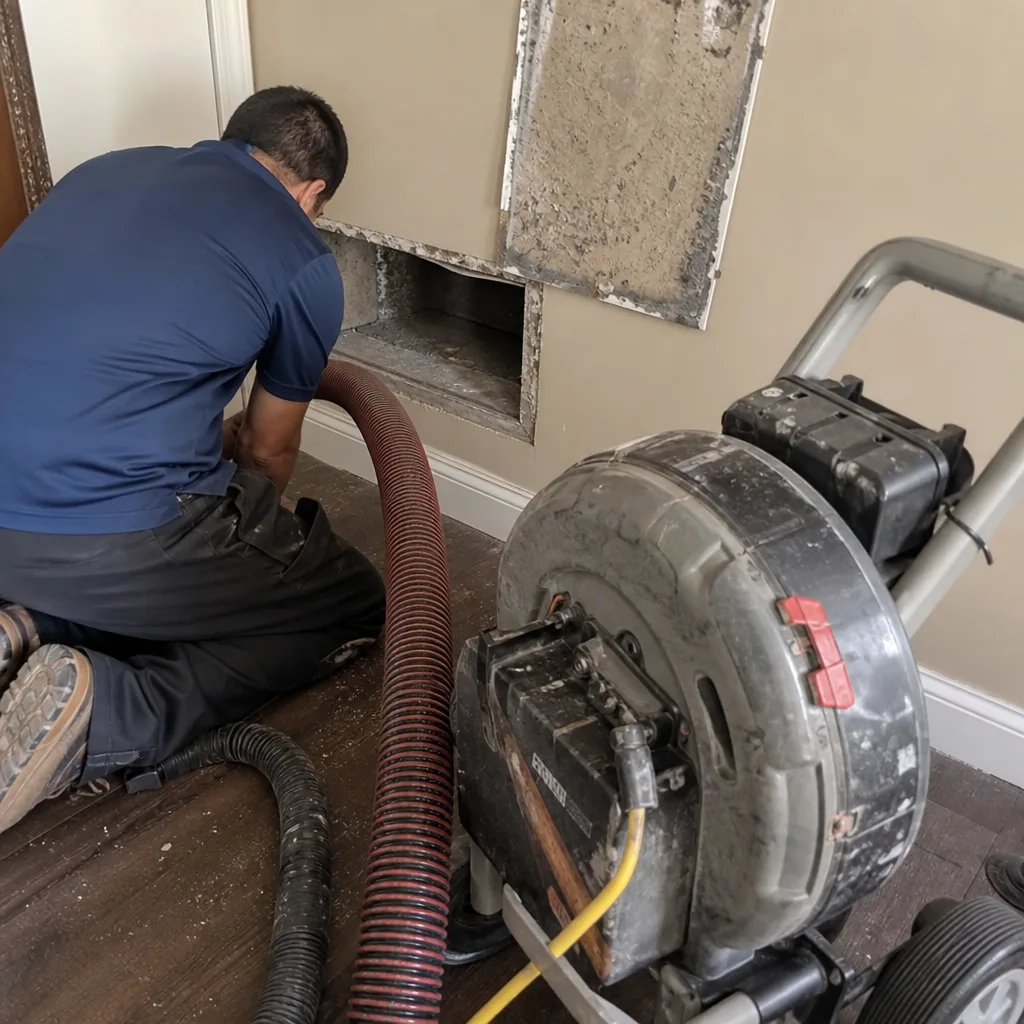 Before
 After
After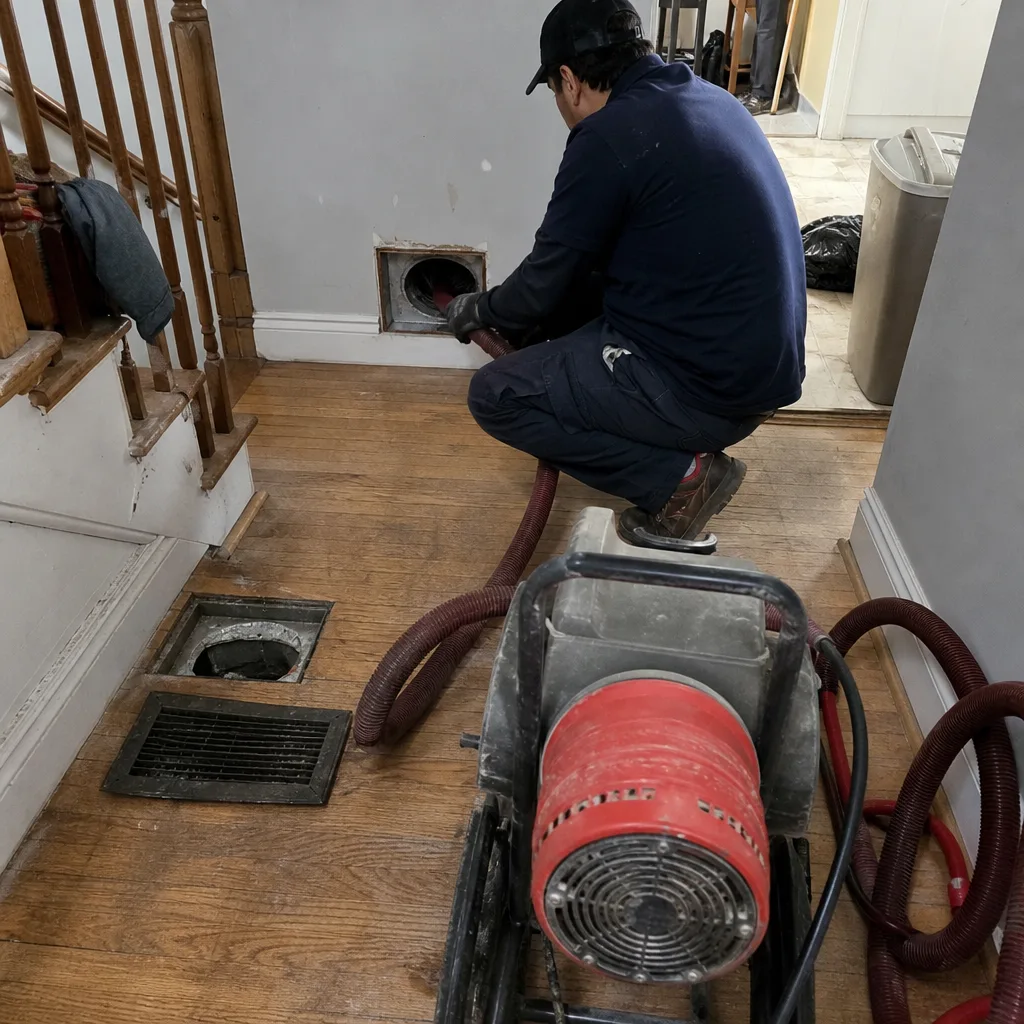 Before
 After
After