
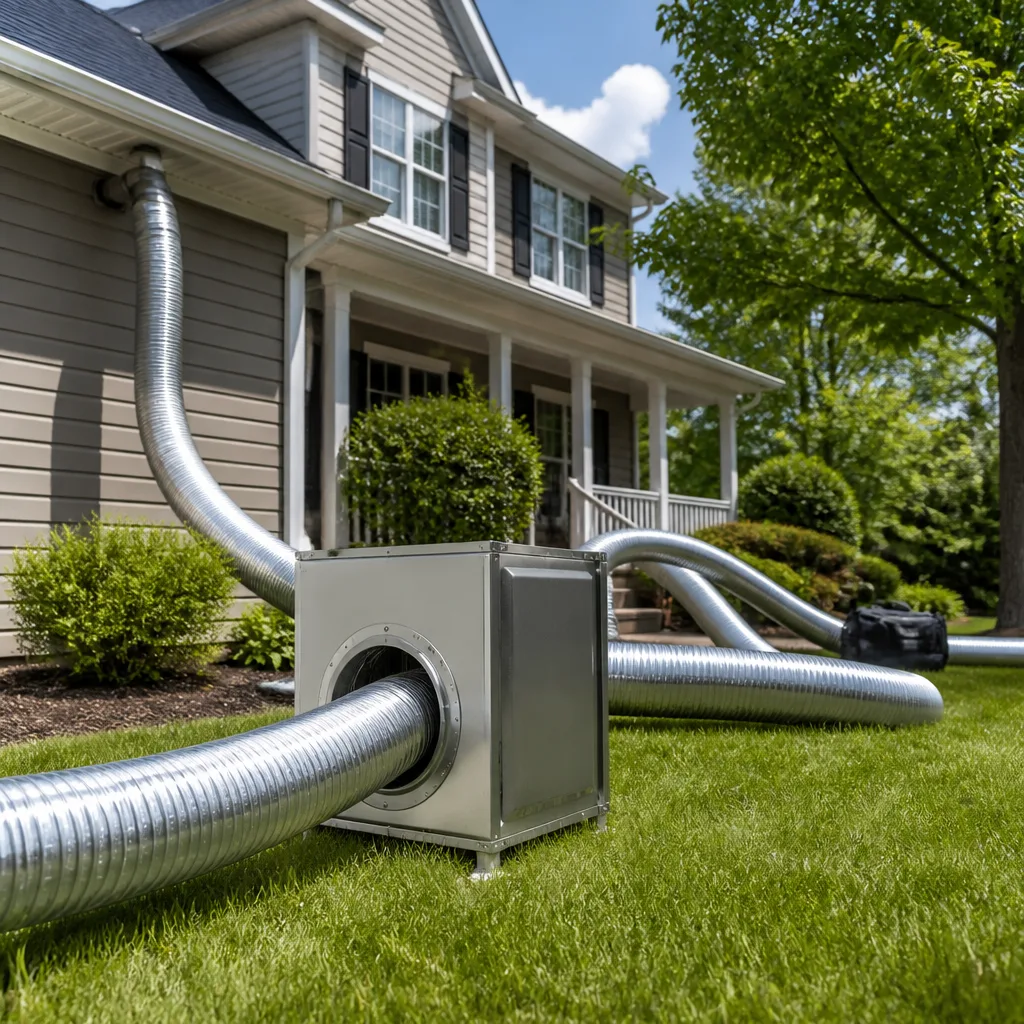
 Whole-home duct cleaning
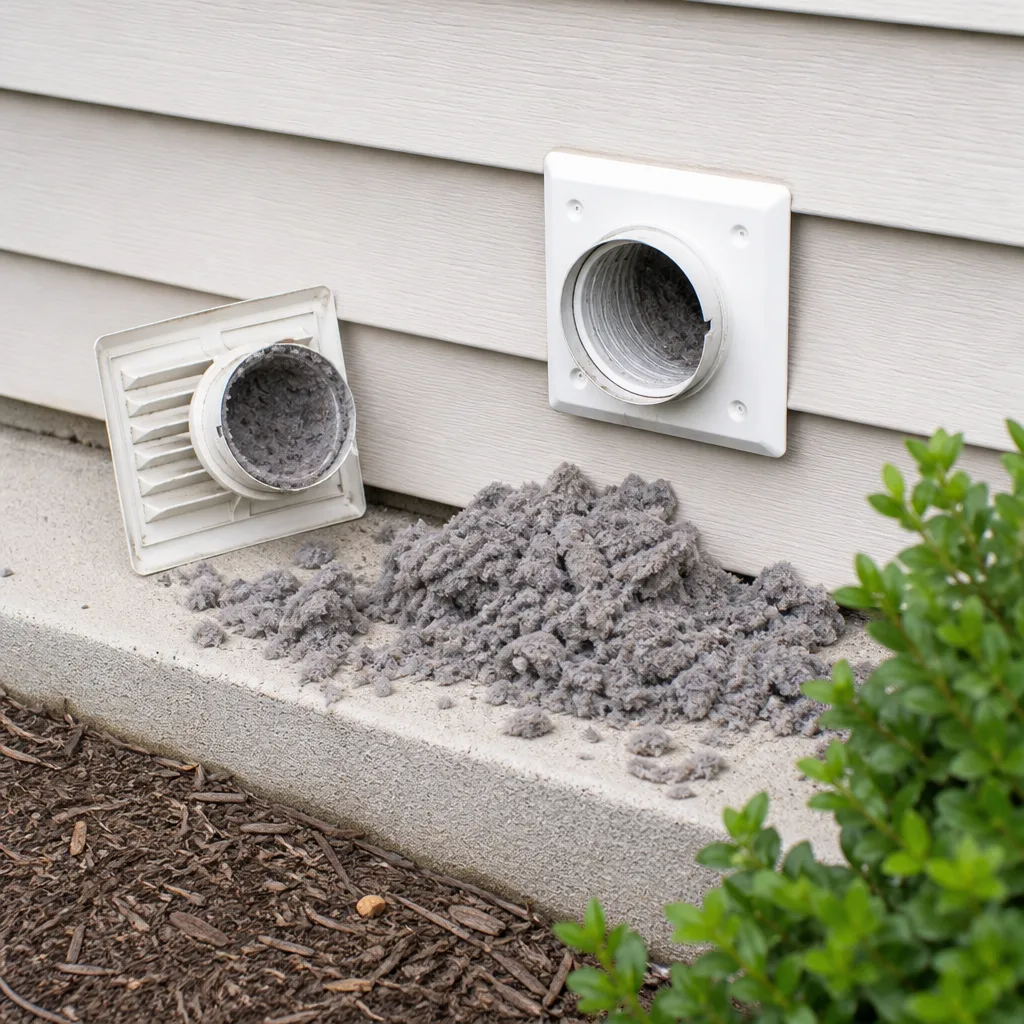 Dryer vent cleaning
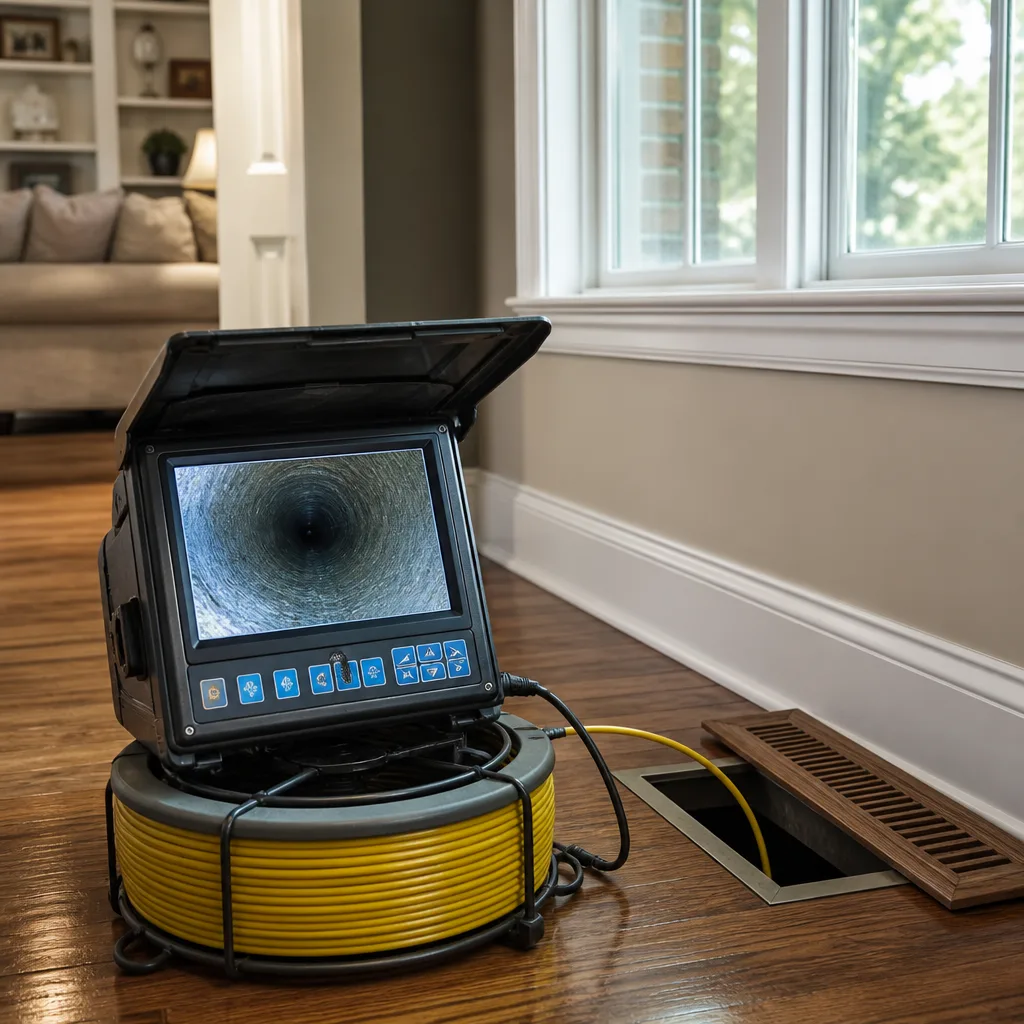 Camera inspection
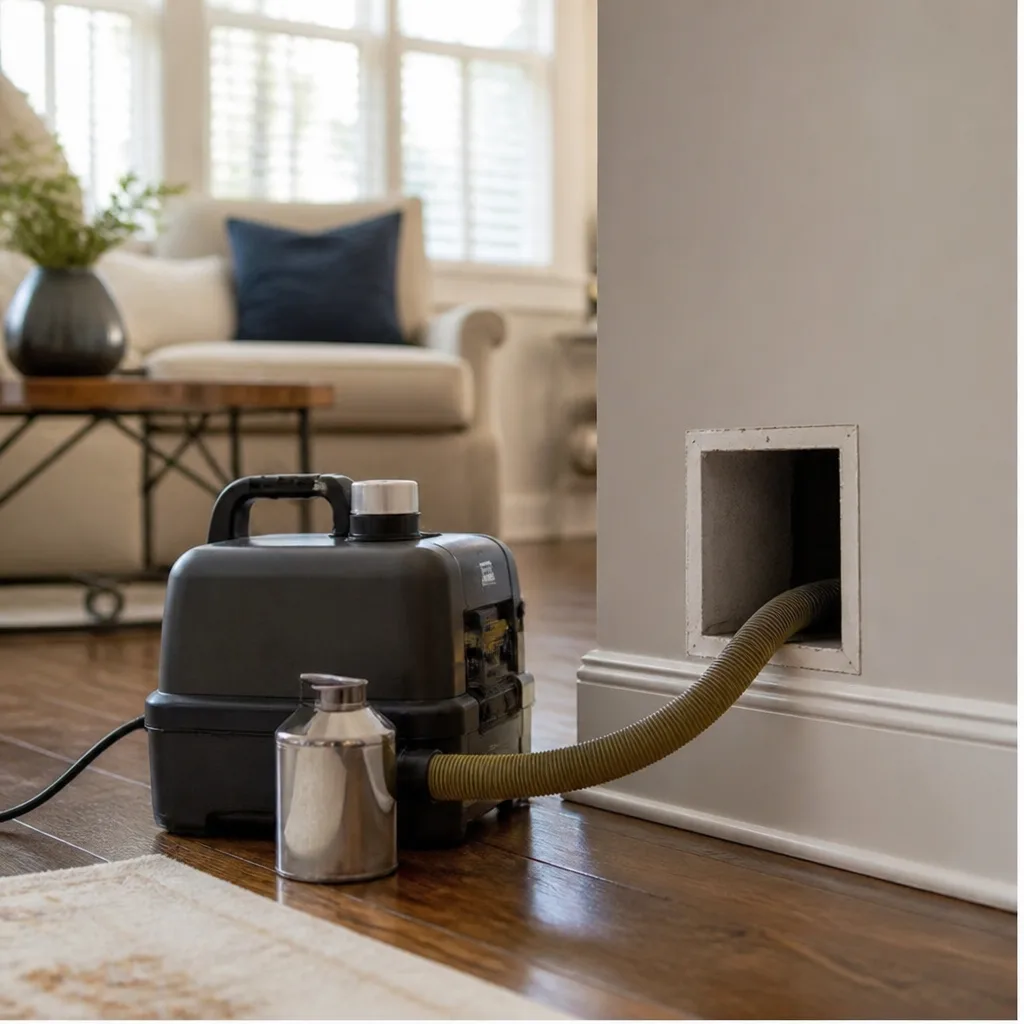 Sanitizing & deodorizing
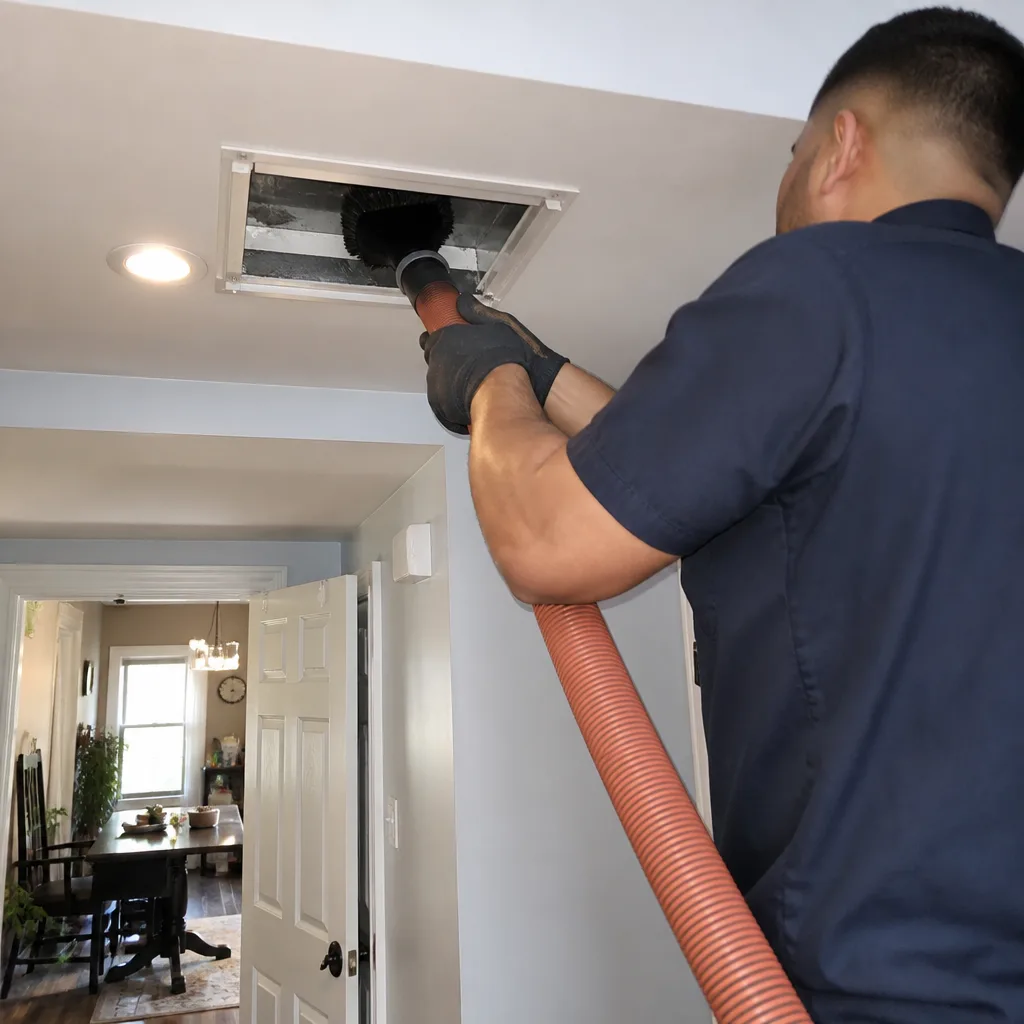
Whole-system duct and dryer vent check with before-and-after photos - you see exactly what came out of your vents
That "$99 whole-house special" is a bait ad - the real number appears once they are in your hallway, or the "clean" is a shop-vac at the register. We photograph the inside of your ducts before and after instead.
Rotobrush Vent Sanitizing: The Hempstead Owner’s Guide
Rotobrush vent sanitizing parts and service in Hempstead typically run $225 – $475 installed, depending on your Rotobrush model and what failed. We stock Rotobrush-compatible sanitizing components on our trucks and can usually complete the swap in a single visit. Most Hempstead owners call us after noticing a sharp drop in sanitizer output, a pump that runs but won’t spray, or a warning light that won’t clear.
Here’s the straight version: Rotobrush builds solid equipment, but the sanitizing side of the system sees constant chemical exposure, and chemicals destroy seals faster than anything else. The HEPA filtration and brush assemblies hold up for years. The sanitizer pump, lines, and nozzles? Those are wear items. In Hempstead’s older housing stock, where duct runs are tight and humidity swings seasonally, we replace more sanitizer components than anything else on Rotobrush units.
Which Rotobrush Models This Applies To
Rotobrush has put sanitizing capability on several system lines over the years, and the part compatibility is not universal. The most common units we service in Hempstead are the Rotobrush aiR+ and the older R500 series with the attached sanitizer module. The aiR+ uses a quick-connect sanitizer line and a pump rated for their enzymatic or antimicrobial solutions, while some R500 builds used a gravity-fed applicator that doesn’t share parts with the newer line.
Here’s the compatibility gotcha we see all the time: the sanitizer pump on the aiR+ looks nearly identical to the pump on the entry-level aiR, but the fittings are different. A homeowner right now could be looking at a $150 pump thinking they’ve found the right one, and it physically won’t connect. That’s why we ask for the serial number before quoting anything. The label is on the back of the unit, toward the base, and the first four digits tell us which build you have.
On OEM versus aftermarket: for Rotobrush sanitizer lines and nozzles, we recommend staying OEM. The tolerances on the spray tips matter for even coverage, and aftermarket nozzles we’ve tested don’t atomize the solution consistently. For pumps and seals, a quality aftermarket equivalent from a known manufacturer can save $40 – $70, and we’ll offer it when we trust it. Hollis Air Duct Hempstead is an independent service provider, not affiliated with Rotobrush, but we service their equipment daily.
Styles & brands we work with
Signs Your Rotobrush Vent Sanitizing Is Failing
- Weak or inconsistent spray pattern. The pump still runs, but the nozzle is partially clogged or the internal check valve is degrading. You get uneven sanitizer coverage, which means some duct sections get treated and others don’t.
- Pump runs but no solution comes out. Almost always a failed diaphragm inside the pump or an air leak at the suction line fitting. Chemical exposure hardens the diaphragm over time, and once it cracks, the pump loses prime and can’t pull solution from the reservoir.
- Sanitizer leaking from the unit base. The reservoir cap seal or the feed line o-ring has failed. Rotobrush uses chemical-resistant seals for a reason, but nothing lasts forever against repeated exposure to antimicrobial solutions.
- Uneven odor control after service. You apply sanitizer, but some rooms still smell like the problem you were treating. This usually means the nozzle is partially occluded or the pump is outputting below spec, so coverage is patchy.
- Reservoir cracks or clouding. The plastic reservoir can degrade with repeated exposure to concentrated solution, especially if it’s been sitting with chemical in it between jobs. A clouded or cracked reservoir is a failure waiting to dump sanitizer inside the unit.
See the difference
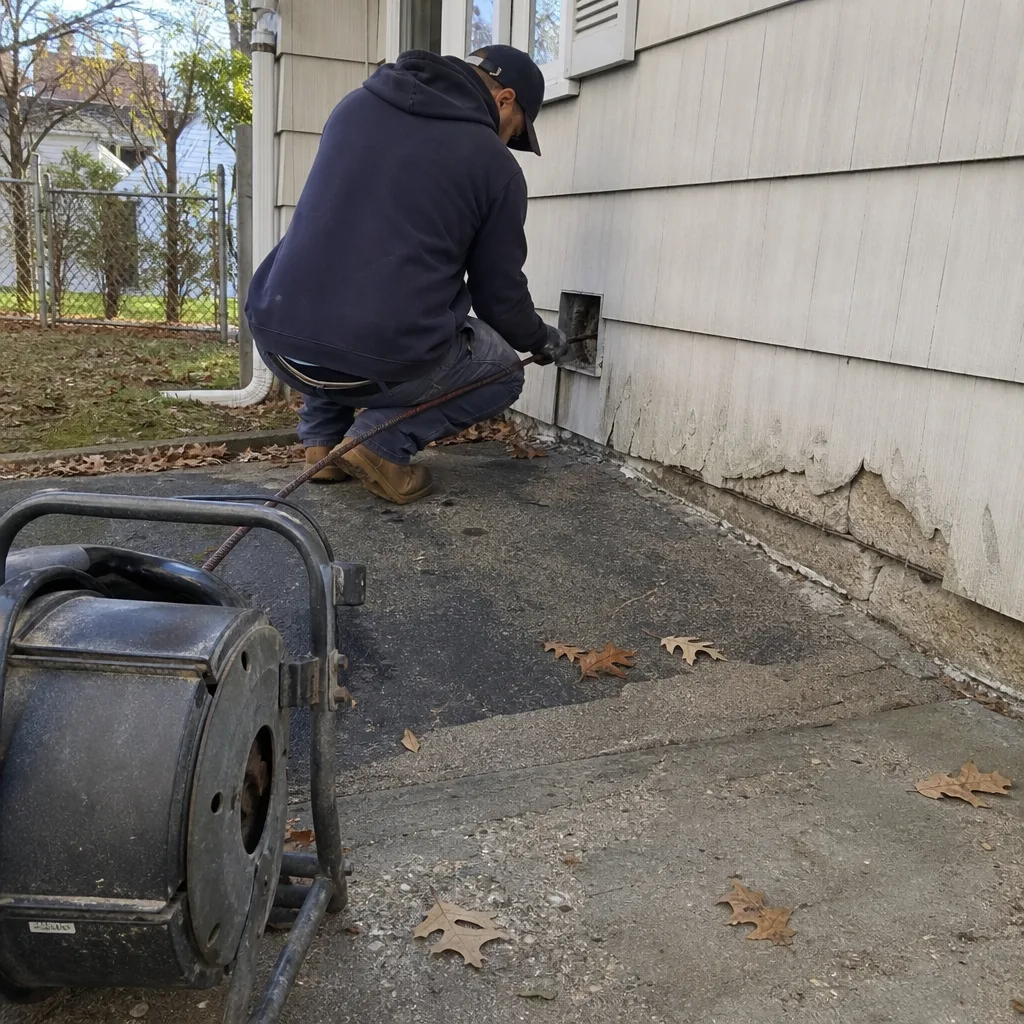 Before
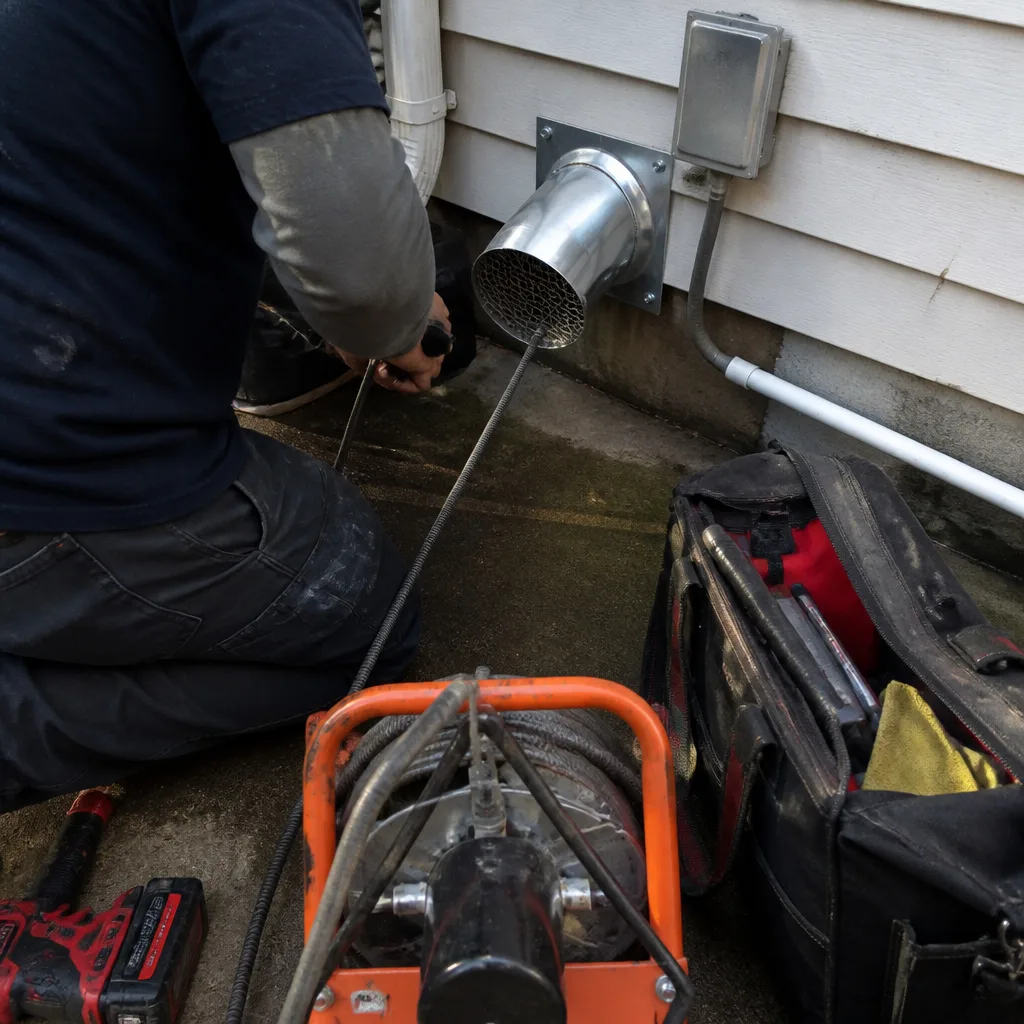 After
After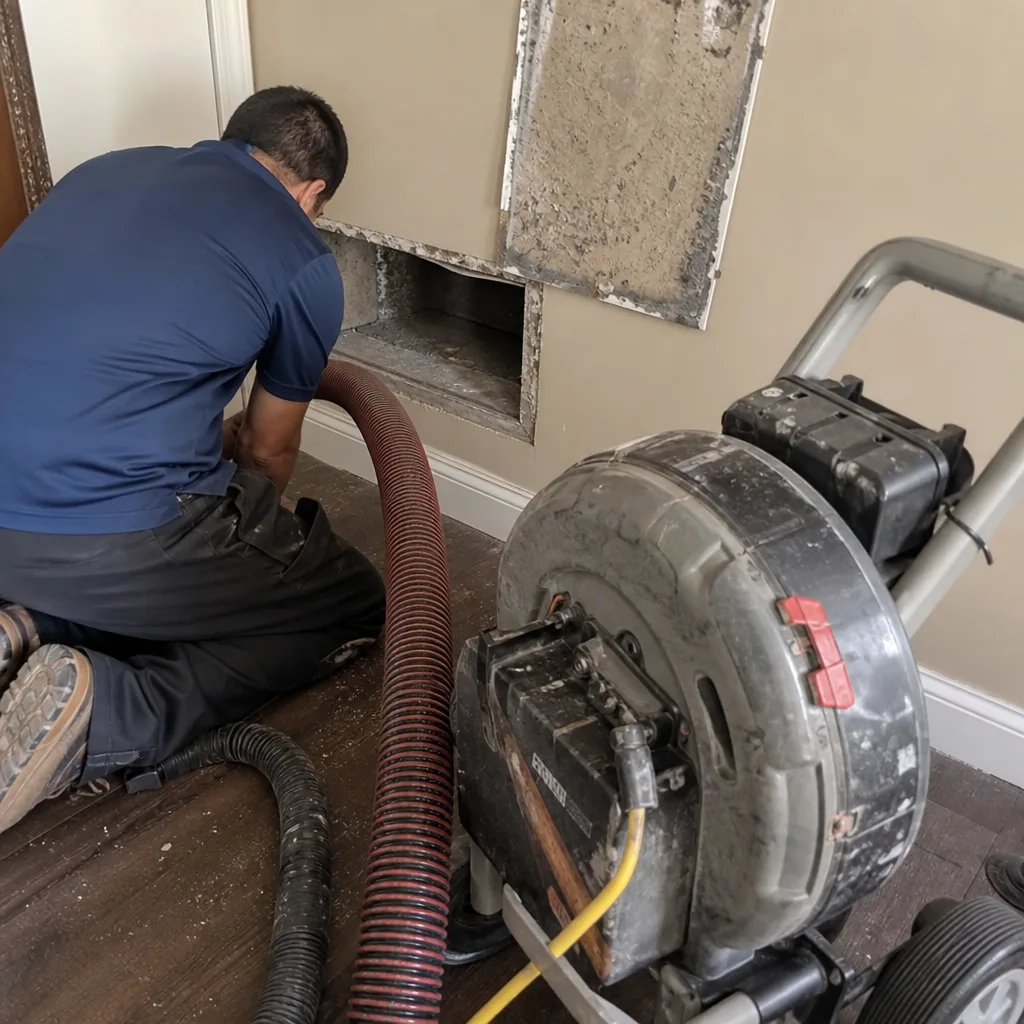 Before
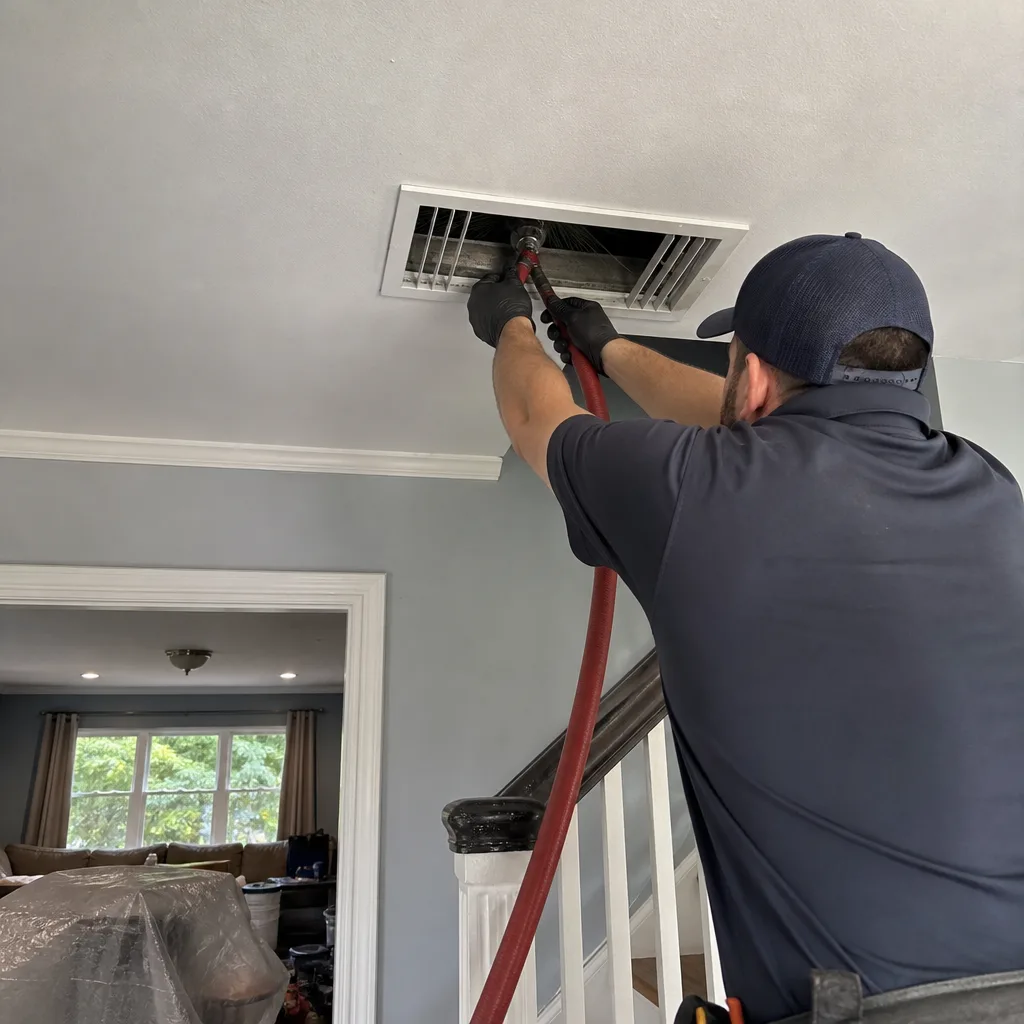 After
After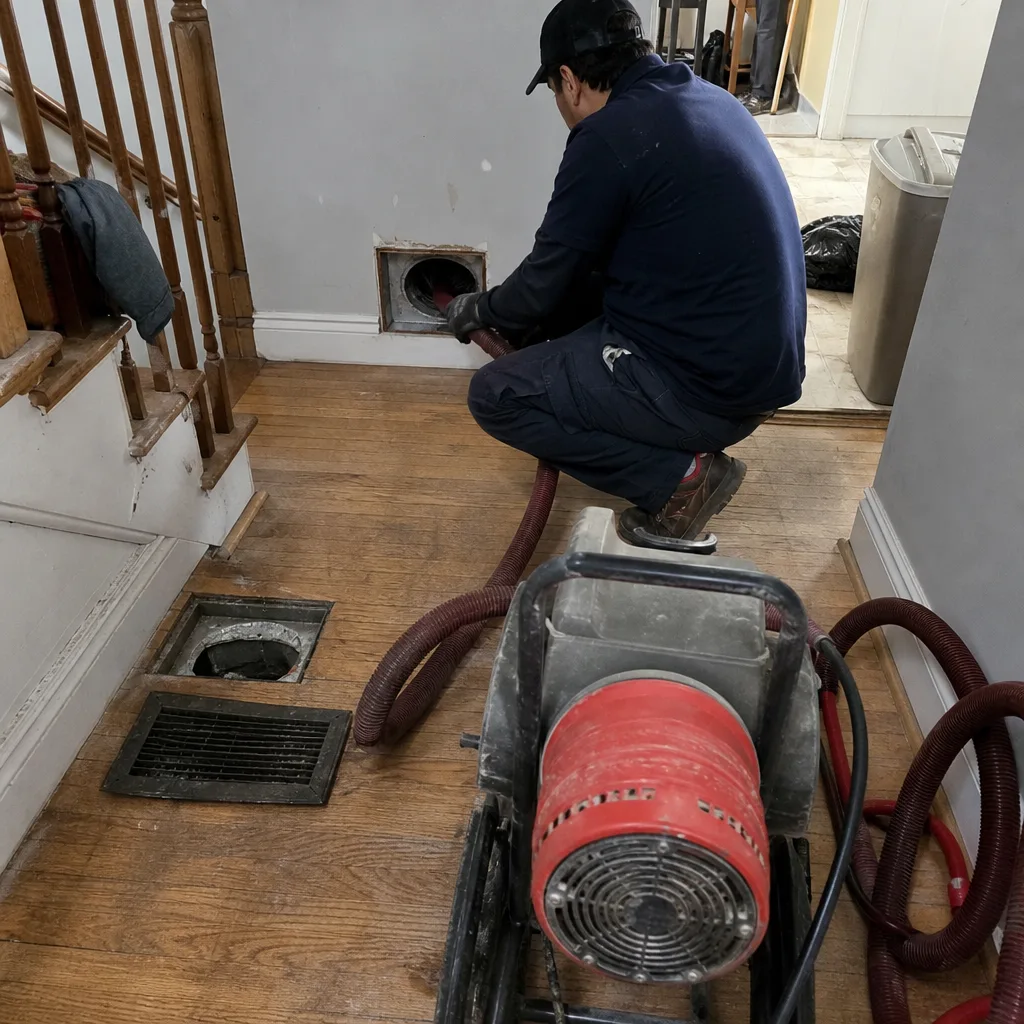 Before
 After
AfterReplacement Cost & What’s Included
For Rotobrush sanitizing repair in Hempstead, you’re looking at these ranges:
- Nozzle replacement: $75 – $120 installed, includes the OEM tip and flow verification
- Feed line and seal replacement: $110 – $175 installed, includes new chemical-resistant o-rings throughout
- Pump replacement: $225 – $375 installed, includes new pump, fittings, and post-install output test
- Full sanitizer system refresh (pump, lines, nozzle, seals): $350 – $475 installed
Every quote is written down before any work starts. That written price includes the part, labor, calibration, and a test cycle to confirm proper output. If the same component fails within 365 days, our Done Right Promise covers the replacement part and a second visit at no charge. You don’t negotiate that; it’s in writing.
DIY or Call Us?
You can safely inspect the reservoir for cracks or clouding, check the exterior feed line for visible splits, and confirm the unit powers on. That’s about where the safe territory ends. The sanitizer pump operates under pressure, and the solution inside is a chemical concentrate you don’t want spraying into your face or across a finished floor when a fitting lets go.
Where DIY goes wrong on Rotobrush units specifically is the fittings: they’re Chinese-manufactured quick-connects that feel seated when they aren’t, and the moment the pump builds pressure, the half-seated fitting blows. We’ve fixed enough of those to say it plainly. Roy Castellanos has been inside enough Hempstead homes to see the aftermath of a homeowner trying this with a wrench and a YouTube video. Call (516) 559-4917 and we’ll get it right the first time.
FAQs
Expect 2 – 4 years from the pump, 12 – 18 months from seals and o-rings, and 2 – 3 years from the nozzle, assuming regular use. Hempstead’s humidity and the seasonal cycles of your HVAC system accelerate chemical degradation, so if the unit sits with solution in it between jobs, plan on the shorter end of those ranges.
Nozzles can sometimes be cleaned and returned to service, but pumps and seals are not repairable in a way we’d stand behind for a year. Once a diaphragm cracks, the pump’s done. Once an o-ring hardens, it won’t seal again. We’ll always tell you which one it is before quoting, and we won’t sell a part you don’t need. Call (516) 559-4917 for a straight answer.
Most swaps take 45 minutes to 2 hours on site, including the post-install output test. A full sanitizer system refresh runs closer to 2 hours. We schedule in a window, we show up inside that window, and the price is written before the work starts.
Yes. Our trucks in Hempstead carry Rotobrush-compatible nozzles, feed lines, seals, and pumps, along with parts for Lennox, Trane, and Carrier systems when the job crosses over. If your model needs something we don’t carry, we can usually source it within a business day or two. Call (516) 559-4917 and we’ll confirm what we have before you book.
Clean ducts, straight answers – that’s the whole job. If your Rotobrush sanitizer is down, call (516) 559-4917 for a free estimate. We’ll tell you what’s wrong, what it costs, and when we can fix it. All in writing.
Written by Roy Castellanos, Owner, Hollis Air Duct Hempstead at Hollis Air Duct Hempstead, serving Hempstead and nearby areas.